


Blog Categories
- African Incidents
- Atlantis Incidents
- Australian Incidents
- Belgian Incidents
- Bermuda Triangle Incidents
- Brazilian Incidents
- Canadian Incidents
- Chinese Incidents
- European Incidents
- France Incidents
- Ghosts
- Giants
- Italy Incidents
- Japanese Incidents
- Middle East Incidents
- Portugal Incidents
- Project Serpo
- Puerto Rico Incidents
- Russian Incidents
- Sasquatch
- Scandinavia Incidents
- Spanish Incidents
- UFOs
- United Kingdom Incidents
- United States Incidents
1980s –1990s Robins Air Force Base UFO Sightings
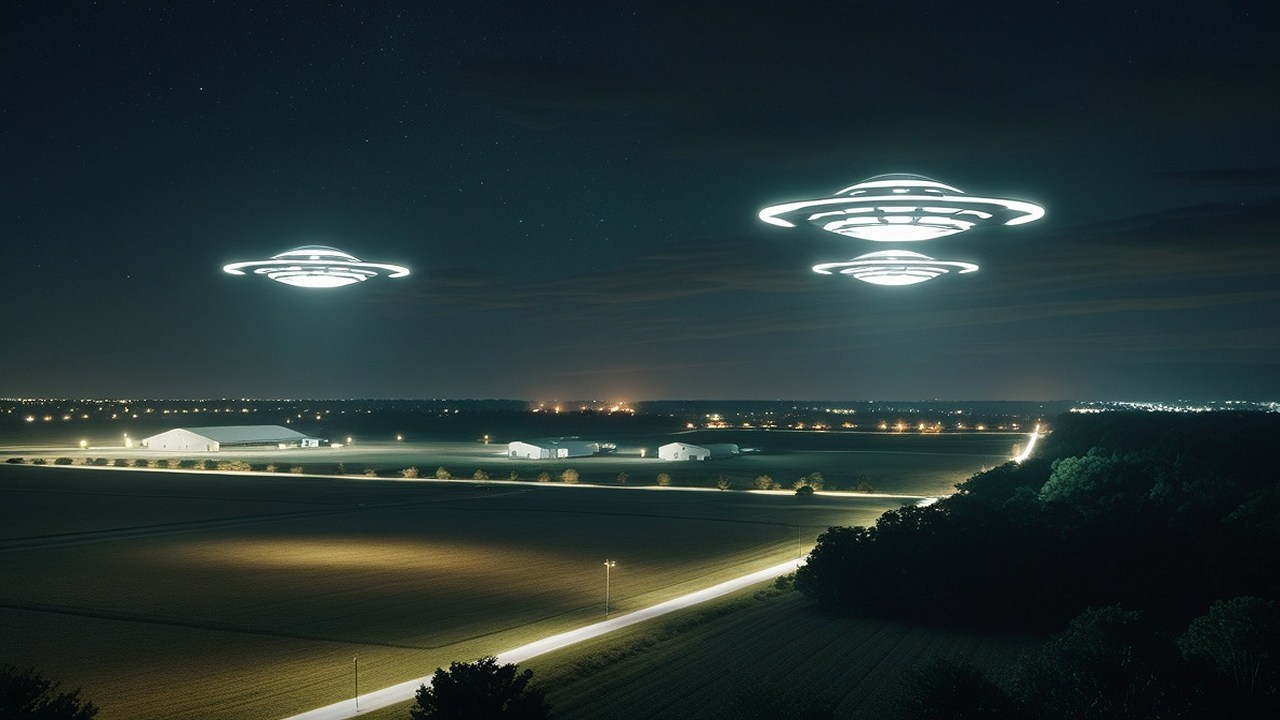
During the 1980s and 1990s, Georgia’s extensive network of military installations continued to generate reports of unusual aerial phenomena, much like many other regions hosting strategic U.S. defense facilities. Robins Air Force Base in Warner Robins, along with other bases such as Moody AFB and various Army installations, became the subject of scattered claims from veterans and active-duty personnel. These accounts typically involved sightings of unexplained lights, structured craft, or high-strangeness events in proximity to restricted airspace or training areas. While none achieved the level of detailed public testimony or documentation associated with the notable Fort Benning incident of 1977, they contributed to a broader pattern of anecdotal reports that persisted in UFO research circles.
This is the story of the scattered but persistent UFO claims around Robins Air Force Base and other Georgia military sites during the 1980s and 1990s. These reports, drawn from veteran testimonies and local researchers, paint a picture of ongoing anomalous activity near some of America’s most important defense infrastructure — even as official Project Blue Book had long since closed.
Welcome to the channel. Today we’re examining a quieter but intriguing chapter in Georgia’s UFO history. Everything here is drawn directly from the historical accounts and researcher documentation in the chapter. No speculation. Just the reported experiences and their context.
Robins Air Force Base, a major Air Force Materiel Command installation, serves as a critical hub for aircraft maintenance, repair, and logistics, particularly for the C-130 Hercules, F-15 Eagle, and other platforms. Its location in central Georgia places it amid rural landscapes, farmland, and wooded areas that offer relatively dark skies at night — conditions favorable for observing aerial activity. The base’s strategic importance and constant air traffic — both routine training flights and test operations — provide a natural backdrop against which anomalous sightings could be reported and then often explained as misidentifications. Nevertheless, some personnel described events that, in their view, defied conventional aircraft behavior.
Local author and researcher Wayne Ford, who resides near Warner Robins, documented various strange encounters at Georgia military bases in his book Mysteries of Georgia’s Military Bases. Ford noted that while every base experiences UFO sightings, they appear more concentrated around Air Force installations. Living just five miles from Robins AFB, he highlighted what he described as some of the more impressive sightings reported in the area. These accounts, drawn from conversations with veterans and local residents, often remained second-hand or circulated privately among those with base connections.
Typical reports from the period included observations of bright, fast-moving lights that exhibited maneuvers inconsistent with standard military or civilian aircraft. Some veterans recalled objects hovering silently or accelerating rapidly, sometimes near the base’s perimeter or over nearby training ranges. A few claims involved radar operators or flight line personnel noting unusual returns that were quickly dismissed or attributed to classified programs. Pressure to remain silent was a recurring theme in these anecdotal stories, with personnel allegedly reminded during debriefings or security briefings that discussing unidentified sightings could compromise operational security or invite unwanted scrutiny.
Such dynamics are not uncommon at sensitive military sites. Bases like Robins maintain strict protocols for reporting intrusions into restricted airspace, and any anomalous activity is often funneled through official channels that prioritize national security explanations. This environment can discourage detailed public disclosure, leading many accounts to surface years later through informal veteran networks, UFO investigators, or local researchers. The lack of high-profile witnesses coming forward with names, dates, and corroborating documentation distinguishes these Georgia reports from more thoroughly examined cases elsewhere.
Beyond Robins, other Georgia installations contributed to the scattered claims. Moody Air Force Base in southern Georgia, home to specialized combat training, also featured in occasional veteran recollections of unusual lights during night operations. Army bases such as Fort Gordon (now Fort Eisenhower) and Fort Stewart, with their vast wooded training areas, generated reports that sometimes blended aerial phenomena with other high-strangeness elements. However, these tended to be even more anecdotal and less focused on structured craft than those associated with Air Force facilities.
The broader context of the 1980s and 1990s is important. This period followed the closure of Project Blue Book in 1969 and coincided with a general decline in official Air Force commentary on UFOs. Yet civilian reporting organizations like the Mutual UFO Network (MUFON) and the National UFO Reporting Center (NUFORC) continued to log cases across Georgia. While many sightings near military zones could reasonably be attributed to advanced aircraft testing, night vision equipment, or flares, a subset of reports from trained observers — pilots, mechanics, and security personnel — described characteristics such as silent operation, extreme speed changes, or non-aerodynamic shapes that puzzled the witnesses.
One challenge in evaluating these claims is their fragmentary nature. Many originate as second-hand retellings shared decades after the events, often without access to official logs or radar data. Confidentiality agreements, career concerns, and the culture of secrecy surrounding military operations contribute to this. Personnel stationed at Robins or similar bases might witness something unusual during a shift but choose not to pursue formal channels beyond an initial report, fearing it could affect clearances or assignments. In some cases, veterans only spoke openly after retirement, when the perceived risks had diminished.
This pattern of subdued reporting contrasts with the more dramatic Fort Benning case from the late 1970s, which involved multiple soldiers, claims of widespread missing time, and eventual public testimony from individuals like John Vasquez. The Fort Benning events, occurring during large-scale training exercises, generated a level of detail and multiple perspectives that the more isolated 1980s–1990s Georgia accounts generally lack. At Robins and neighboring sites, the reports tended to involve smaller numbers of witnesses or single observers, making independent corroboration more difficult.
Despite these limitations, the cumulative effect of such claims adds to the historical record of UFO activity near U.S. military infrastructure. Georgia’s role as a hub for military training, logistics, and aviation research makes it a logical area for both conventional and anomalous aerial phenomena. The presence of advanced aircraft development and testing in the region provides skeptics with ready explanations, yet proponents argue that trained military observers would recognize standard equipment and that some sightings resist prosaic interpretation.
Researchers examining these cases often emphasize the need for caution. Without primary documentation, radar tapes, or multiple named witnesses, the accounts remain in the realm of intriguing but unproven testimony. They nevertheless serve as reminders that even in the post-Blue Book era, personnel at key installations continued to encounter things in the skies that challenged their understanding. The culture of silence surrounding many of these events raises legitimate questions about how thoroughly such incidents were investigated internally and whether valuable data was archived but never released to the public.
Local interest in these topics persisted into the 1990s and beyond. Warner Robins, as a community deeply tied to Robins AFB, occasionally saw discussions of strange sightings surface in conversations among base employees and their families. While major media coverage was rare, the stories endured in books like Ford’s and in the files of regional UFO investigators. They form part of a larger tapestry of reports from the American Southeast, a region with a long history of aerial anomalies.
In retrospect, the scattered claims from Robins AFB and other Georgia military sites during the 1980s and 1990s illustrate the challenges inherent in studying UFO phenomena within a military context. The combination of operational secrecy, plausible conventional explanations, and the passage of time creates a complex evidentiary landscape. These accounts, though largely anecdotal, contribute to ongoing discussions about unidentified aerial activity near sensitive installations and the experiences of those sworn to protect national airspace.
They also highlight the human element: service members who, after witnessing something extraordinary, must reconcile their observations with official narratives that often prioritize mundane explanations. For some, the events left lasting impressions, prompting quiet reflection long after their tours of duty ended. As more veterans from this era share their stories in retirement, it remains possible that additional details may emerge, shedding further light on this relatively quiet but persistent chapter in Georgia’s military-UFO history.
The legacy of these reports lies not in dramatic confirmation but in their quiet accumulation. They suggest that even as public attention to UFOs waxed and waned, the skies above America’s defense installations continued to produce questions that resisted easy answers. In the broader study of unidentified aerial phenomena, the experiences of personnel at Robins and similar bases deserve recognition as part of the enduring mystery that has accompanied military aviation since its earliest days.
The 1980s and 1990s may not have produced a single blockbuster Georgia UFO case on the scale of some national headlines, but the scattered claims around Robins Air Force Base and other installations paint a picture of persistent, low-level anomalous activity. These veteran and personnel reports, often shared privately or years later, add depth to our understanding of how unidentified phenomena intersect with America’s military infrastructure. In a state rich with defense facilities, the skies above Georgia remained active with mysteries that official channels rarely addressed publicly.
Whether these lights and objects were advanced classified technology, misidentified conventional aircraft, or something more extraordinary, the pattern of sightings near Robins and similar bases reminds us that the unknown has never been far from the places we guard most carefully. As more voices from this era emerge, Georgia’s role in the broader UFO story continues to unfold — quietly, persistently, and intriguingly.
During the 1980s and 1990s, Georgia’s extensive network of military installations continued to generate reports of unusual aerial phenomena, much like many other regions hosting strategic U.S. defense facilities. Robins Air Force Base in Warner Robins, along with other bases such as Moody AFB and various Army installations, became the subject of scattered claims from veterans and active-duty personnel. These accounts typically involved sightings of unexplained lights, structured craft, or high-strangeness events in proximity to restricted airspace or training areas. While none achieved the level of detailed public testimony or documentation associated with the notable Fort Benning incident of 1977, they contributed to a broader pattern of anecdotal reports that persisted in UFO research circles.
This is the story of the scattered but persistent UFO claims around Robins Air Force Base and other Georgia military sites during the 1980s and 1990s. These reports, drawn from veteran testimonies and local researchers, paint a picture of ongoing anomalous activity near some of America’s most important defense infrastructure — even as official Project Blue Book had long since closed.
Welcome to the channel. Today we’re examining a quieter but intriguing chapter in Georgia’s UFO history. Everything here is drawn directly from the historical accounts and researcher documentation in the chapter. No speculation. Just the reported experiences and their context.
Robins Air Force Base, a major Air Force Materiel Command installation, serves as a critical hub for aircraft maintenance, repair, and logistics, particularly for the C-130 Hercules, F-15 Eagle, and other platforms. Its location in central Georgia places it amid rural landscapes, farmland, and wooded areas that offer relatively dark skies at night — conditions favorable for observing aerial activity. The base’s strategic importance and constant air traffic — both routine training flights and test operations — provide a natural backdrop against which anomalous sightings could be reported and then often explained as misidentifications. Nevertheless, some personnel described events that, in their view, defied conventional aircraft behavior.
Local author and researcher Wayne Ford, who resides near Warner Robins, documented various strange encounters at Georgia military bases in his book Mysteries of Georgia’s Military Bases. Ford noted that while every base experiences UFO sightings, they appear more concentrated around Air Force installations. Living just five miles from Robins AFB, he highlighted what he described as some of the more impressive sightings reported in the area. These accounts, drawn from conversations with veterans and local residents, often remained second-hand or circulated privately among those with base connections.
Typical reports from the period included observations of bright, fast-moving lights that exhibited maneuvers inconsistent with standard military or civilian aircraft. Some veterans recalled objects hovering silently or accelerating rapidly, sometimes near the base’s perimeter or over nearby training ranges. A few claims involved radar operators or flight line personnel noting unusual returns that were quickly dismissed or attributed to classified programs. Pressure to remain silent was a recurring theme in these anecdotal stories, with personnel allegedly reminded during debriefings or security briefings that discussing unidentified sightings could compromise operational security or invite unwanted scrutiny.
Such dynamics are not uncommon at sensitive military sites. Bases like Robins maintain strict protocols for reporting intrusions into restricted airspace, and any anomalous activity is often funneled through official channels that prioritize national security explanations. This environment can discourage detailed public disclosure, leading many accounts to surface years later through informal veteran networks, UFO investigators, or local researchers. The lack of high-profile witnesses coming forward with names, dates, and corroborating documentation distinguishes these Georgia reports from more thoroughly examined cases elsewhere.
Beyond Robins, other Georgia installations contributed to the scattered claims. Moody Air Force Base in southern Georgia, home to specialized combat training, also featured in occasional veteran recollections of unusual lights during night operations. Army bases such as Fort Gordon (now Fort Eisenhower) and Fort Stewart, with their vast wooded training areas, generated reports that sometimes blended aerial phenomena with other high-strangeness elements. However, these tended to be even more anecdotal and less focused on structured craft than those associated with Air Force facilities.
The broader context of the 1980s and 1990s is important. This period followed the closure of Project Blue Book in 1969 and coincided with a general decline in official Air Force commentary on UFOs. Yet civilian reporting organizations like the Mutual UFO Network (MUFON) and the National UFO Reporting Center (NUFORC) continued to log cases across Georgia. While many sightings near military zones could reasonably be attributed to advanced aircraft testing, night vision equipment, or flares, a subset of reports from trained observers — pilots, mechanics, and security personnel — described characteristics such as silent operation, extreme speed changes, or non-aerodynamic shapes that puzzled the witnesses.
One challenge in evaluating these claims is their fragmentary nature. Many originate as second-hand retellings shared decades after the events, often without access to official logs or radar data. Confidentiality agreements, career concerns, and the culture of secrecy surrounding military operations contribute to this. Personnel stationed at Robins or similar bases might witness something unusual during a shift but choose not to pursue formal channels beyond an initial report, fearing it could affect clearances or assignments. In some cases, veterans only spoke openly after retirement, when the perceived risks had diminished.
This pattern of subdued reporting contrasts with the more dramatic Fort Benning case from the late 1970s, which involved multiple soldiers, claims of widespread missing time, and eventual public testimony from individuals like John Vasquez. The Fort Benning events, occurring during large-scale training exercises, generated a level of detail and multiple perspectives that the more isolated 1980s–1990s Georgia accounts generally lack. At Robins and neighboring sites, the reports tended to involve smaller numbers of witnesses or single observers, making independent corroboration more difficult.
Despite these limitations, the cumulative effect of such claims adds to the historical record of UFO activity near U.S. military infrastructure. Georgia’s role as a hub for military training, logistics, and aviation research makes it a logical area for both conventional and anomalous aerial phenomena. The presence of advanced aircraft development and testing in the region provides skeptics with ready explanations, yet proponents argue that trained military observers would recognize standard equipment and that some sightings resist prosaic interpretation.
Researchers examining these cases often emphasize the need for caution. Without primary documentation, radar tapes, or multiple named witnesses, the accounts remain in the realm of intriguing but unproven testimony. They nevertheless serve as reminders that even in the post-Blue Book era, personnel at key installations continued to encounter things in the skies that challenged their understanding. The culture of silence surrounding many of these events raises legitimate questions about how thoroughly such incidents were investigated internally and whether valuable data was archived but never released to the public.
Local interest in these topics persisted into the 1990s and beyond. Warner Robins, as a community deeply tied to Robins AFB, occasionally saw discussions of strange sightings surface in conversations among base employees and their families. While major media coverage was rare, the stories endured in books like Ford’s and in the files of regional UFO investigators. They form part of a larger tapestry of reports from the American Southeast, a region with a long history of aerial anomalies.
In retrospect, the scattered claims from Robins AFB and other Georgia military sites during the 1980s and 1990s illustrate the challenges inherent in studying UFO phenomena within a military context. The combination of operational secrecy, plausible conventional explanations, and the passage of time creates a complex evidentiary landscape. These accounts, though largely anecdotal, contribute to ongoing discussions about unidentified aerial activity near sensitive installations and the experiences of those sworn to protect national airspace.
They also highlight the human element: service members who, after witnessing something extraordinary, must reconcile their observations with official narratives that often prioritize mundane explanations. For some, the events left lasting impressions, prompting quiet reflection long after their tours of duty ended. As more veterans from this era share their stories in retirement, it remains possible that additional details may emerge, shedding further light on this relatively quiet but persistent chapter in Georgia’s military-UFO history.
The legacy of these reports lies not in dramatic confirmation but in their quiet accumulation. They suggest that even as public attention to UFOs waxed and waned, the skies above America’s defense installations continued to produce questions that resisted easy answers. In the broader study of unidentified aerial phenomena, the experiences of personnel at Robins and similar bases deserve recognition as part of the enduring mystery that has accompanied military aviation since its earliest days.
The 1980s and 1990s may not have produced a single blockbuster Georgia UFO case on the scale of some national headlines, but the scattered claims around Robins Air Force Base and other installations paint a picture of persistent, low-level anomalous activity. These veteran and personnel reports, often shared privately or years later, add depth to our understanding of how unidentified phenomena intersect with America’s military infrastructure. In a state rich with defense facilities, the skies above Georgia remained active with mysteries that official channels rarely addressed publicly.
Whether these lights and objects were advanced classified technology, misidentified conventional aircraft, or something more extraordinary, the pattern of sightings near Robins and similar bases reminds us that the unknown has never been far from the places we guard most carefully. As more voices from this era emerge, Georgia’s role in the broader UFO story continues to unfold — quietly, persistently, and intriguingly.