

Blog Categories
- African Incidents
- Atlantis Incidents
- Australian Incidents
- Belgian Incidents
- Bermuda Triangle Incidents
- Brazilian Incidents
- Canadian Incidents
- Chinese Incidents
- European Incidents
- France Incidents
- Ghosts
- Giants
- Italy Incidents
- Japanese Incidents
- Middle East Incidents
- Portugal Incidents
- Project Serpo
- Puerto Rico Incidents
- Russian Incidents
- Sasquatch
- Scandinavia Incidents
- Spanish Incidents
- UFOs
- United Kingdom Incidents
- United States Incidents
Alien Species - The Reticulan Hybrids
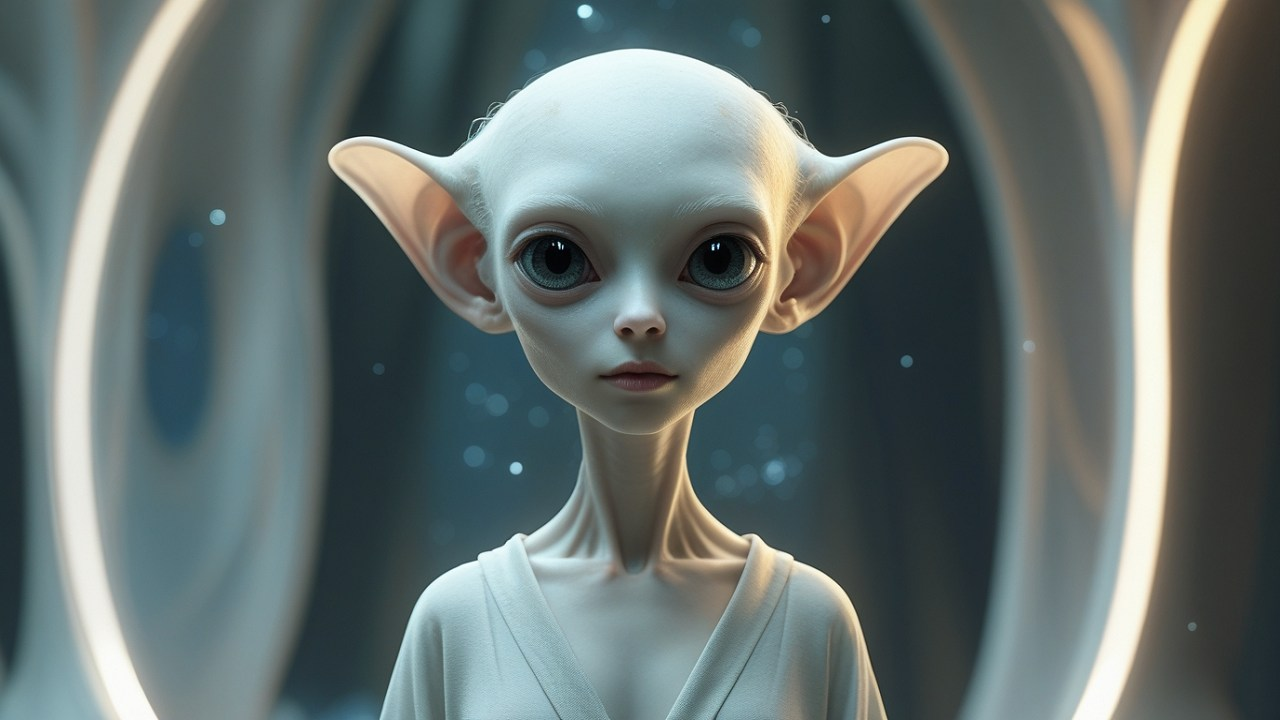
Reticulan Hybrids, sometimes called Zeta Reticulan Hybrids or simply "Grey-Human Hybrids," are one of the most discussed and controversial topics in modern UFO, abduction, and extraterrestrial hybridization lore. They refer to beings allegedly created through genetic mixing between Zeta Reticulan Greys and human beings. Unlike "pure" Zeta Reticulans, who are typically described as short, grey-skinned, large-headed entities with black almond-shaped eyes, Reticulan Hybrids are portrayed as having a more blended appearance — combining Grey and human traits in varying degrees.
Physical Description
Descriptions of Reticulan Hybrids vary depending on the degree of hybridization and the specific program or faction involved. Common characteristics include:
-Height: Usually between 5 and 6.5 feet tall, taller than the classic short Greys but shorter than most adult humans.
-Skin: Pale grey to light beige or off-white, sometimes with a subtle translucent or mottled quality. Skin texture is often described as smoother than pure Greys but less "human" than fully terrestrial skin.
-Head: Larger than average human head, though less dramatically elongated than pure Zeta Greys. The cranium is often prominent.
-Eyes: Large and almond-shaped, but frequently less completely black than pure Greys. Some accounts describe eyes that are dark with visible pupils or with a slight iris color (grey, blue, or hazel). The eyes are often said to convey intelligence and emotional depth.
-Hair: Sparse or absent in many cases, but some hybrids are described as having fine, light-colored hair (white, blond, or reddish).
-Facial Features: A blend of Grey and human traits — smaller nose and mouth than pure Greys, but still reduced compared to humans. Cheekbones are often high and delicate.
-Body: Slender build with long limbs. Hands typically have four or five fingers, sometimes with webbing or elongated digits.
-Overall Appearance: Many experiencers describe hybrids as appearing "almost human" but with an uncanny or ethereal quality. They are frequently noted as looking fragile, graceful, or androgynous.
Hybrids are often divided into categories based on the ratio of Grey to human genetics. "Early-stage" hybrids tend to look more Grey-like, while "later-stage" or more integrated hybrids can pass for human under certain lighting or with minor disguises.
Origins and Programs
The Reticulan Hybrid narrative is closely tied to the broader Zeta Reticulan abduction and genetic engineering lore. According to many abduction researchers and contactee accounts, the Zeta Reticulans have been conducting a long-term hybridization program on Earth for decades, possibly centuries. The stated purpose in most accounts is to create a hybrid race that combines the genetic strengths of both species — the Zeta Reticulans’ advanced mental and psychic abilities with human emotional capacity, physical resilience, and reproductive vitality.
These programs are said to involve the collection of human genetic material (ova, sperm, and sometimes embryos) during abduction experiences, followed by laboratory fertilization and gestation in artificial wombs aboard craft or in underground facilities. The resulting hybrids are then raised in controlled environments, with some eventually integrated into human society or used for further breeding cycles.
The programs are often described as multi-generational. First-generation hybrids are said to look more alien, while later generations become increasingly human in appearance and behavior. Some accounts claim that certain hybrids have been placed into human families or raised in secret facilities for observation and training.
Society and Role
Reticulan Hybrids are portrayed as occupying an intermediate position between pure Greys and humans. In some narratives, they serve as intermediaries or "ambassadors" between the Zeta Reticulans and humanity. Others suggest they are being prepared as a future bridge species for open contact or as a replacement population in case of major planetary changes.
Many abduction experiencers report emotional or telepathic interactions with hybrids during encounters. Some describe hybrids as appearing curious, gentle, or even caring, while others note a more detached or clinical demeanor. A recurring theme is that hybrids often show a particular interest in human emotions, family bonds, and artistic expression — qualities they are said to lack or possess in limited form.
Key Sources and References in UFO Lore
The Reticulan Hybrid narrative draws from several key areas:
-Abduction research: The work of researchers such as Budd Hopkins, David Jacobs, and John Mack documented numerous cases involving hybrid beings during abduction experiences. Jacobs, in particular, has written extensively about a suspected hybridization program in books like Secret Life (1992) and The Threat (1998).
-Contactee and starseed accounts: Many individuals who identify as starseeds or hybrid experiencers report memories or encounters with Reticulan hybrids.
-Whistleblower and underground base lore: Claims of hybrid nurseries or rearing facilities in underground bases (such as Dulce) sometimes include Reticulan hybrids.
-Channeled material: Some channeled sources discuss hybridization programs as part of a larger galactic genetic experiment or soul-recycling process.
There is no single dominant, well-verified physical event that anchors the Reticulan Hybrid phenomenon. The evidence consists primarily of abduction testimonies, hypnotic regression sessions, and personal accounts from experiencers.
Credibility and Limitations
The Reticulan Hybrid narrative faces significant evidentiary challenges. While thousands of people have reported experiences involving hybrid beings, there is no independently verified physical evidence — no DNA samples, photographs, or medical records that have withstood rigorous scientific scrutiny. Most accounts rely on hypnotic regression, conscious recall, or intuitive memories, all of which are subject to memory distortion, cultural influence, and psychological factors.
Skeptics argue that the hybrid phenomenon can be explained through psychological mechanisms such as sleep paralysis, false memory syndrome, or the influence of popular media depictions of Greys and abductions. They note that descriptions of hybrids often mirror human expectations shaped by books, films, and online discussions.
Supporters point to the remarkable consistency of certain details across unrelated experiencers, the emotional intensity of the accounts, and the fact that some abduction researchers have documented physical traces (scars, implants, missing pregnancies) that appear to correlate with the reported hybridization activities.
Current Status
Reticulan Hybrids remain a central and emotionally charged topic within abduction research and starseed communities. They continue to be discussed in books, documentaries, support groups for experiencers, and online forums. For some, the hybrid narrative represents a hopeful bridge between humanity and extraterrestrial intelligence. For others, it raises deep concerns about consent, autonomy, and the long-term implications of genetic intervention by non-human entities.
In summary, Reticulan Hybrids are described as genetically blended beings resulting from alleged Zeta Reticulan-human hybridization programs. They are portrayed as occupying an intermediate position between pure Greys and humans, with varying degrees of physical and behavioral traits from both species. Information about them comes primarily from abduction testimonies, hypnotic regression, and contactee accounts, with no independent physical corroboration.
They represent one of the most intimate and controversial aspects of the extraterrestrial contact phenomenon — the idea that humanity may already be sharing its genetic future with non-human intelligences. Whether viewed as a real ongoing program, a psychological or spiritual phenomenon, or a blend of both, the Reticulan Hybrid narrative continues to challenge our understanding of what it means to be human in a potentially populated cosmos.
Budd Hopkins’ Hybrid Cases (1970s–1990s)
Budd Hopkins (1931–2011) was one of the most influential and pioneering researchers in the field of alien abduction studies. A respected artist and sculptor by profession, he became deeply involved in UFO research after a series of personal and witnessed events in the 1970s. Over the following decades, Hopkins conducted hundreds of interviews and hypnotic regression sessions with individuals who claimed to have been abducted by extraterrestrial beings, primarily the short Grey entities associated with Zeta Reticuli. His work played a pivotal role in bringing the concept of Reticulan Hybrids — beings created through genetic mixing between Zeta Reticulans and humans — into serious discussion within UFO research circles.
Hopkins’ first major book, Missing Time (1981), introduced the public to the idea that many abduction experiences involved periods of missing time that could be recovered through hypnosis. In this and his subsequent groundbreaking book Intruders (1987), Hopkins documented numerous cases in which abductees, particularly women, reported being shown or forced to interact with hybrid children or adolescents during their encounters. These hybrids were consistently described as having a blend of Grey and human features: larger heads than typical human children, pale or greyish skin, large dark eyes, and a fragile, somewhat ethereal appearance, yet with recognizable human emotional responses and physical proportions that made them appear more “human-like” than pure Greys.
One of the most striking patterns Hopkins identified was the strong emotional bond many female abductees felt toward these hybrid offspring. Women reported being presented with infants or young children and told, telepathically or verbally, that the child was theirs — the result of eggs harvested during previous abductions and fertilized with Grey genetic material. Many described overwhelming feelings of maternal love mixed with confusion, grief, and helplessness when the beings removed the children after brief interactions. Hopkins noted that these emotional responses were remarkably consistent across unrelated cases, even when the abductees had no prior knowledge of each other’s experiences.
In Intruders, Hopkins focused on several in-depth case studies, most notably that of “Kathie Davis” (a pseudonym), whose experiences formed the core of the book. Kathie and other women described being taken aboard craft, subjected to medical procedures involving egg extraction, and later shown hybrid children at various stages of development. Some reported seeing nurseries filled with dozens of hybrid infants in incubators or being asked to hold and nurture the children. The beings reportedly explained that the hybridization program was necessary for their own species’ survival or evolution, as pure Greys were said to have lost much of their emotional or reproductive capacity.
Hopkins’ research suggested that the hybridization program was long-term and multi-generational. He documented cases spanning years or decades in which the same abductees were shown progressively older hybrid children, sometimes being told the child was now living among humans or being prepared for integration. This led Hopkins to propose that the Zeta Reticulans were engaged in a systematic effort to create a hybrid race that combined the genetic strengths of both species — the Greys’ advanced mental and psychic abilities with human emotional depth, physical resilience, and reproductive vitality.
His work helped establish the hybridization hypothesis as a central component of abduction research. Prior to Hopkins, most abduction accounts focused on medical examinations, implants, or warnings about nuclear weapons. Hopkins’ documentation of hybrid presentations shifted the conversation toward the possibility of a long-term genetic agenda. His meticulous case files, use of hypnosis to recover missing time, and willingness to publish detailed personal stories brought a new level of credibility and emotional weight to the phenomenon.
Hopkins continued his research through the 1990s, founding the Intruders Foundation to support abductees and document cases. He collaborated with other researchers, including psychiatrist John Mack, and his findings influenced much of the subsequent literature on alien abductions and hybridization. By the time of his death in 2011, Hopkins had become one of the most respected — and sometimes criticized — figures in the field.
The importance of Budd Hopkins’ hybrid cases lies in their role as the foundational documentation of the Reticulan hybridization program. His books provided some of the earliest, most systematic evidence that abductees were not only subjected to medical procedures but were also emotionally and psychologically involved with hybrid offspring. This added a deeply human dimension to the phenomenon and raised profound questions about consent, reproduction, and the long-term implications of extraterrestrial genetic intervention.
While Hopkins’ work was groundbreaking, it has also faced significant criticism. Skeptics argue that hypnotic regression is unreliable and prone to confabulation, and that cultural influences and media portrayals of Greys may have shaped the accounts. The lack of independent physical evidence — such as DNA samples from the hybrids or medical records confirming missing pregnancies — remains a major limitation. Mainstream science and many within the broader UFO community view the hybrid narrative as unproven, though it continues to be taken seriously by abduction researchers and experiencer support networks.
In the broader context of Reticulan Hybrid lore, Budd Hopkins’ cases from the 1970s–1990s represent the cornerstone upon which much of the subsequent discussion has been built. They shifted the focus from isolated abduction events to a suspected multi-generational program with emotional, ethical, and existential implications. His meticulous documentation and compassionate approach to abductees helped legitimize the hybridization hypothesis as a serious area of inquiry, even as it remained deeply controversial.
David Jacobs’ “The Threat” Research (1990s)
David M. Jacobs, a historian and longtime abduction researcher, made one of the most systematic and detailed contributions to the study of Reticulan Hybrids with the publication of his book The Threat: The Secret Agenda in 1998. Building on years of hypnotic regression sessions with hundreds of abductees, Jacobs argued that the central purpose of the alien abduction phenomenon was a long-term, multi-generational hybridization program conducted by Zeta Reticulan Greys. His work shifted the focus of abduction research from isolated medical examinations and warnings about nuclear weapons to a coherent, overarching agenda centered on the creation and integration of human-alien hybrids.
Jacobs began his research in the 1970s and 1980s, initially collaborating with Budd Hopkins. Over time, he conducted his own extensive series of hypnotic regressions, amassing a large database of abduction accounts. In The Threat, he synthesized these cases into a detailed thesis: the Zeta Reticulans were engaged in a carefully planned, decades-long program to engineer a hybrid species that combined Grey and human genetics. He described the process as methodical and progressive. Early generations of hybrids were said to appear more alien — with larger heads, greyish skin, and reduced emotional expression — while later generations became increasingly human-like in appearance and behavior.
Jacobs outlined what he believed was a four-stage hybridization process. The first stage involved the harvesting of human genetic material (primarily ova from female abductees) and its combination with Grey genetic material in laboratory settings aboard craft or in underground facilities. The resulting embryos were gestated artificially. In subsequent stages, hybrids were shown to abductees at various ages, from infancy to adolescence and young adulthood. Many female abductees reported being presented with these children and told they were their offspring, often evoking strong maternal emotions even when the hybrid appeared only partially human.
A key element of Jacobs’ research was the reported goal of the program: the eventual integration of these hybrids into human society. He argued that the Reticulans were creating beings capable of living among humans with minimal detection, potentially serving as a bridge species or a means of gradual infiltration and control. Jacobs suggested that later-stage hybrids might already be living on Earth, functioning in society while maintaining covert connections to the Reticulan program. He described a future scenario in which hybrids would play increasingly prominent roles, possibly leading to a significant shift in human civilization under extraterrestrial influence.
Jacobs’ work was notable for its systematic approach. He developed a standardized questionnaire and regression protocol, allowing him to identify recurring patterns across hundreds of independent cases. He paid close attention to the emotional responses of abductees, noting the profound psychological impact of being shown hybrid children and the sense of loss or confusion many experienced when the beings removed them. He also documented reports of hybrids displaying a mix of Grey and human traits — telepathic ability combined with human emotional capacity, for example — and suggested this blending was intentional.
In The Threat, Jacobs presented the hybridization program as the primary explanation for the abduction phenomenon. He argued that the medical procedures, missing time, and lifelong pattern of abductions experienced by many individuals were all part of a larger reproductive and genetic agenda. He expressed concern that this program represented a threat to human autonomy and sovereignty, warning that humanity might be unknowingly participating in its own genetic transformation or replacement.
Jacobs’ research built upon and expanded the foundation laid by Budd Hopkins. While Hopkins focused on documenting individual cases and the emotional trauma of hybrid presentations, Jacobs attempted to construct a comprehensive model of the program’s structure, goals, and long-term implications. His work influenced a generation of abduction researchers and sparked intense debate within the UFO community about the nature and purpose of the alien presence on Earth.
The significance of David Jacobs’ research in The Threat lies in its attempt to provide a coherent, overarching explanation for the abduction phenomenon. By framing Reticulan hybridization as the central purpose of the encounters, Jacobs offered a unifying theory that connected disparate reports of medical procedures, hybrid presentations, and lifelong abductions into a single, multi-generational program. His detailed analysis of hundreds of cases helped establish the hybrid narrative as a major area of inquiry in UFO research.
As with all abduction research relying on hypnotic regression, Jacobs’ findings have faced substantial criticism. Skeptics argue that hypnosis is unreliable for recovering accurate memories and can lead to confabulation, especially when the researcher holds a particular theoretical framework. The lack of independent physical evidence — such as DNA samples from hybrids or medical records confirming missing pregnancies — remains a significant limitation. Mainstream science and many within the broader UFO community view the hybridization hypothesis as unproven and highly speculative.
Nevertheless, Jacobs’ work remains one of the most systematic and detailed presentations of the Reticulan Hybrid phenomenon. It continues to be referenced by researchers, experiencers, and writers exploring the abduction narrative. His emphasis on the long-term, multi-generational nature of the program and its potential implications for human society added depth and urgency to the discussion.
In the broader context of Reticulan Hybrid lore, David Jacobs’ research in the 1990s represents a pivotal development. It moved the conversation from individual emotional experiences (as documented by Hopkins) to a structured, strategic program with clear goals and methods. By compiling and analyzing hundreds of cases, Jacobs helped establish the hybridization hypothesis as a central pillar of modern abduction studies, even as it remained deeply controversial and unverified by conventional scientific standards.
“The Changeling” or “Hybrid Baby” Presentations
One of the most emotionally charged and consistently reported aspects of the Reticulan Hybrid narrative is the phenomenon often referred to as the “Changeling” or “Hybrid Baby” presentations. Across hundreds of abduction accounts documented from the 1980s through the 2000s, many experiencers — particularly women — described being shown or asked to hold and interact with hybrid infants or young children during their encounters. These experiences frequently occurred under hypnosis or conscious recall and became a central feature in the research of Budd Hopkins, David Jacobs, John Mack, and other abduction investigators.
In these reports, abductees described being taken into nursery-like environments aboard craft or in underground facilities, where they were presented with one or more hybrid offspring. The beings were typically portrayed as having a visible mix of Grey and human characteristics: larger heads than typical human infants, pale or greyish skin, and large, dark eyes, yet with softer, more human-like facial proportions and emotional expressiveness. Many women reported an immediate and powerful maternal bond upon seeing or holding these children, even when they were told the hybrid was the result of eggs harvested during previous abductions and fertilized with Grey genetic material.
The emotional intensity of these encounters was striking. Abductees often described feelings of love, protectiveness, and deep sorrow when the hybrid infants were taken away after brief interactions. Some reported being told telepathically or verbally by the Grey beings that the child was theirs and that they were expected to nurture or bond with it during the short time allowed. Others described a sense of confusion and grief, feeling as though they were being shown a child they had unknowingly carried or contributed to, only to have it removed from their care.
This pattern appeared with remarkable consistency across unrelated cases. Researchers noted that abductees from different geographic locations, cultural backgrounds, and age groups reported nearly identical scenarios: being led into a room filled with incubators or cribs, being handed a hybrid infant, experiencing strong emotional attachment, and then having the child removed, often with the implication that the process would be repeated in the future. The hybrids were sometimes shown at different developmental stages — from newborns to toddlers or even adolescents — suggesting a long-term, multi-generational program.
David Jacobs, in particular, documented these presentations extensively in his research. He argued that the hybrid baby experiences were not random or isolated events but part of a deliberate, structured program. Jacobs suggested that the Reticulans were using human abductees both as genetic donors and as emotional caregivers to help the hybrids develop human-like emotional capacities that the pure Greys reportedly lacked. The act of holding and bonding with the hybrid was interpreted as a way to imprint human emotional patterns onto the developing beings.
Budd Hopkins also highlighted these cases in Intruders (1987) and later works. He noted the profound psychological impact on the women involved, many of whom experienced ongoing grief, anxiety, or a sense of loss related to the hybrid children. Some abductees reported dreams or flashbacks in which they saw the children at later ages, reinforcing the idea of a continuing connection across years or decades.
John Mack, the Harvard psychiatrist who studied abduction experiences, approached these accounts with particular sensitivity. In Abduction (1994) and Passport to the Cosmos (1999), he documented the deep existential and emotional turmoil experienced by individuals who believed they had been shown or had given birth to hybrid offspring. Mack emphasized that these encounters often carried profound spiritual or philosophical implications for the abductees, challenging their understanding of identity, motherhood, and the nature of consciousness.
The “Changeling” label sometimes applied to these experiences draws from folklore traditions in which human babies were replaced by supernatural beings. In the modern abduction context, it reflects the sense many women described of having their reproductive process co-opted by an external intelligence, with the resulting child being a hybrid entity that belonged partially to both worlds.
This type of experience became one of the most emotionally resonant and commonly reported aspects of the Reticulan Hybrid narrative. It added a deeply human dimension to the phenomenon, moving beyond clinical medical procedures to questions of bonding, loss, identity, and the ethics of genetic intervention by non-human intelligences. The consistency of these reports across unrelated individuals, often from different countries and cultural backgrounds, has been cited by researchers as one of the more compelling patterns in abduction research.
As with all elements of the hybridization narrative, these accounts rely primarily on hypnotic regression, conscious recall, and personal testimony. There is no independently verified physical evidence — such as DNA samples from the hybrids, medical records confirming missing pregnancies, or corroborated witnesses — to substantiate the claims. Skeptics argue that the experiences could be explained through psychological mechanisms, cultural influences, or the suggestive nature of hypnotic regression. Supporters, however, point to the emotional authenticity, the consistency of details, and the profound life-changing impact reported by many abductees.
In the broader context of Reticulan Hybrid lore, the hybrid baby presentations represent the most intimate and emotionally complex element of the alleged program. They suggest that the Reticulans are not merely conducting detached genetic experiments but are actively involving human abductees in the emotional and developmental aspects of the hybrids’ growth. This adds layers of ethical, psychological, and existential questions to the phenomenon that continue to challenge both researchers and experiencers.
By documenting and analyzing these cases, researchers like Budd Hopkins and David Jacobs helped establish the hybridization program as a central feature of the abduction narrative. The “Changeling” or hybrid baby presentations remain among the most poignant and memorable aspects of Reticulan Hybrid lore, highlighting the deeply personal stakes involved in the reported extraterrestrial interaction with humanity.
Reticulan Hybrids, sometimes called Zeta Reticulan Hybrids or simply "Grey-Human Hybrids," are one of the most discussed and controversial topics in modern UFO, abduction, and extraterrestrial hybridization lore. They refer to beings allegedly created through genetic mixing between Zeta Reticulan Greys and human beings. Unlike "pure" Zeta Reticulans, who are typically described as short, grey-skinned, large-headed entities with black almond-shaped eyes, Reticulan Hybrids are portrayed as having a more blended appearance — combining Grey and human traits in varying degrees.
Physical Description
Descriptions of Reticulan Hybrids vary depending on the degree of hybridization and the specific program or faction involved. Common characteristics include:
-Height: Usually between 5 and 6.5 feet tall, taller than the classic short Greys but shorter than most adult humans.
-Skin: Pale grey to light beige or off-white, sometimes with a subtle translucent or mottled quality. Skin texture is often described as smoother than pure Greys but less "human" than fully terrestrial skin.
-Head: Larger than average human head, though less dramatically elongated than pure Zeta Greys. The cranium is often prominent.
-Eyes: Large and almond-shaped, but frequently less completely black than pure Greys. Some accounts describe eyes that are dark with visible pupils or with a slight iris color (grey, blue, or hazel). The eyes are often said to convey intelligence and emotional depth.
-Hair: Sparse or absent in many cases, but some hybrids are described as having fine, light-colored hair (white, blond, or reddish).
-Facial Features: A blend of Grey and human traits — smaller nose and mouth than pure Greys, but still reduced compared to humans. Cheekbones are often high and delicate.
-Body: Slender build with long limbs. Hands typically have four or five fingers, sometimes with webbing or elongated digits.
-Overall Appearance: Many experiencers describe hybrids as appearing "almost human" but with an uncanny or ethereal quality. They are frequently noted as looking fragile, graceful, or androgynous.
Hybrids are often divided into categories based on the ratio of Grey to human genetics. "Early-stage" hybrids tend to look more Grey-like, while "later-stage" or more integrated hybrids can pass for human under certain lighting or with minor disguises.
Origins and Programs
The Reticulan Hybrid narrative is closely tied to the broader Zeta Reticulan abduction and genetic engineering lore. According to many abduction researchers and contactee accounts, the Zeta Reticulans have been conducting a long-term hybridization program on Earth for decades, possibly centuries. The stated purpose in most accounts is to create a hybrid race that combines the genetic strengths of both species — the Zeta Reticulans’ advanced mental and psychic abilities with human emotional capacity, physical resilience, and reproductive vitality.
These programs are said to involve the collection of human genetic material (ova, sperm, and sometimes embryos) during abduction experiences, followed by laboratory fertilization and gestation in artificial wombs aboard craft or in underground facilities. The resulting hybrids are then raised in controlled environments, with some eventually integrated into human society or used for further breeding cycles.
The programs are often described as multi-generational. First-generation hybrids are said to look more alien, while later generations become increasingly human in appearance and behavior. Some accounts claim that certain hybrids have been placed into human families or raised in secret facilities for observation and training.
Society and Role
Reticulan Hybrids are portrayed as occupying an intermediate position between pure Greys and humans. In some narratives, they serve as intermediaries or "ambassadors" between the Zeta Reticulans and humanity. Others suggest they are being prepared as a future bridge species for open contact or as a replacement population in case of major planetary changes.
Many abduction experiencers report emotional or telepathic interactions with hybrids during encounters. Some describe hybrids as appearing curious, gentle, or even caring, while others note a more detached or clinical demeanor. A recurring theme is that hybrids often show a particular interest in human emotions, family bonds, and artistic expression — qualities they are said to lack or possess in limited form.
Key Sources and References in UFO Lore
The Reticulan Hybrid narrative draws from several key areas:
-Abduction research: The work of researchers such as Budd Hopkins, David Jacobs, and John Mack documented numerous cases involving hybrid beings during abduction experiences. Jacobs, in particular, has written extensively about a suspected hybridization program in books like Secret Life (1992) and The Threat (1998).
-Contactee and starseed accounts: Many individuals who identify as starseeds or hybrid experiencers report memories or encounters with Reticulan hybrids.
-Whistleblower and underground base lore: Claims of hybrid nurseries or rearing facilities in underground bases (such as Dulce) sometimes include Reticulan hybrids.
-Channeled material: Some channeled sources discuss hybridization programs as part of a larger galactic genetic experiment or soul-recycling process.
There is no single dominant, well-verified physical event that anchors the Reticulan Hybrid phenomenon. The evidence consists primarily of abduction testimonies, hypnotic regression sessions, and personal accounts from experiencers.
Credibility and Limitations
The Reticulan Hybrid narrative faces significant evidentiary challenges. While thousands of people have reported experiences involving hybrid beings, there is no independently verified physical evidence — no DNA samples, photographs, or medical records that have withstood rigorous scientific scrutiny. Most accounts rely on hypnotic regression, conscious recall, or intuitive memories, all of which are subject to memory distortion, cultural influence, and psychological factors.
Skeptics argue that the hybrid phenomenon can be explained through psychological mechanisms such as sleep paralysis, false memory syndrome, or the influence of popular media depictions of Greys and abductions. They note that descriptions of hybrids often mirror human expectations shaped by books, films, and online discussions.
Supporters point to the remarkable consistency of certain details across unrelated experiencers, the emotional intensity of the accounts, and the fact that some abduction researchers have documented physical traces (scars, implants, missing pregnancies) that appear to correlate with the reported hybridization activities.
Current Status
Reticulan Hybrids remain a central and emotionally charged topic within abduction research and starseed communities. They continue to be discussed in books, documentaries, support groups for experiencers, and online forums. For some, the hybrid narrative represents a hopeful bridge between humanity and extraterrestrial intelligence. For others, it raises deep concerns about consent, autonomy, and the long-term implications of genetic intervention by non-human entities.
In summary, Reticulan Hybrids are described as genetically blended beings resulting from alleged Zeta Reticulan-human hybridization programs. They are portrayed as occupying an intermediate position between pure Greys and humans, with varying degrees of physical and behavioral traits from both species. Information about them comes primarily from abduction testimonies, hypnotic regression, and contactee accounts, with no independent physical corroboration.
They represent one of the most intimate and controversial aspects of the extraterrestrial contact phenomenon — the idea that humanity may already be sharing its genetic future with non-human intelligences. Whether viewed as a real ongoing program, a psychological or spiritual phenomenon, or a blend of both, the Reticulan Hybrid narrative continues to challenge our understanding of what it means to be human in a potentially populated cosmos.
Budd Hopkins’ Hybrid Cases (1970s–1990s)
Budd Hopkins (1931–2011) was one of the most influential and pioneering researchers in the field of alien abduction studies. A respected artist and sculptor by profession, he became deeply involved in UFO research after a series of personal and witnessed events in the 1970s. Over the following decades, Hopkins conducted hundreds of interviews and hypnotic regression sessions with individuals who claimed to have been abducted by extraterrestrial beings, primarily the short Grey entities associated with Zeta Reticuli. His work played a pivotal role in bringing the concept of Reticulan Hybrids — beings created through genetic mixing between Zeta Reticulans and humans — into serious discussion within UFO research circles.
Hopkins’ first major book, Missing Time (1981), introduced the public to the idea that many abduction experiences involved periods of missing time that could be recovered through hypnosis. In this and his subsequent groundbreaking book Intruders (1987), Hopkins documented numerous cases in which abductees, particularly women, reported being shown or forced to interact with hybrid children or adolescents during their encounters. These hybrids were consistently described as having a blend of Grey and human features: larger heads than typical human children, pale or greyish skin, large dark eyes, and a fragile, somewhat ethereal appearance, yet with recognizable human emotional responses and physical proportions that made them appear more “human-like” than pure Greys.
One of the most striking patterns Hopkins identified was the strong emotional bond many female abductees felt toward these hybrid offspring. Women reported being presented with infants or young children and told, telepathically or verbally, that the child was theirs — the result of eggs harvested during previous abductions and fertilized with Grey genetic material. Many described overwhelming feelings of maternal love mixed with confusion, grief, and helplessness when the beings removed the children after brief interactions. Hopkins noted that these emotional responses were remarkably consistent across unrelated cases, even when the abductees had no prior knowledge of each other’s experiences.
In Intruders, Hopkins focused on several in-depth case studies, most notably that of “Kathie Davis” (a pseudonym), whose experiences formed the core of the book. Kathie and other women described being taken aboard craft, subjected to medical procedures involving egg extraction, and later shown hybrid children at various stages of development. Some reported seeing nurseries filled with dozens of hybrid infants in incubators or being asked to hold and nurture the children. The beings reportedly explained that the hybridization program was necessary for their own species’ survival or evolution, as pure Greys were said to have lost much of their emotional or reproductive capacity.
Hopkins’ research suggested that the hybridization program was long-term and multi-generational. He documented cases spanning years or decades in which the same abductees were shown progressively older hybrid children, sometimes being told the child was now living among humans or being prepared for integration. This led Hopkins to propose that the Zeta Reticulans were engaged in a systematic effort to create a hybrid race that combined the genetic strengths of both species — the Greys’ advanced mental and psychic abilities with human emotional depth, physical resilience, and reproductive vitality.
His work helped establish the hybridization hypothesis as a central component of abduction research. Prior to Hopkins, most abduction accounts focused on medical examinations, implants, or warnings about nuclear weapons. Hopkins’ documentation of hybrid presentations shifted the conversation toward the possibility of a long-term genetic agenda. His meticulous case files, use of hypnosis to recover missing time, and willingness to publish detailed personal stories brought a new level of credibility and emotional weight to the phenomenon.
Hopkins continued his research through the 1990s, founding the Intruders Foundation to support abductees and document cases. He collaborated with other researchers, including psychiatrist John Mack, and his findings influenced much of the subsequent literature on alien abductions and hybridization. By the time of his death in 2011, Hopkins had become one of the most respected — and sometimes criticized — figures in the field.
The importance of Budd Hopkins’ hybrid cases lies in their role as the foundational documentation of the Reticulan hybridization program. His books provided some of the earliest, most systematic evidence that abductees were not only subjected to medical procedures but were also emotionally and psychologically involved with hybrid offspring. This added a deeply human dimension to the phenomenon and raised profound questions about consent, reproduction, and the long-term implications of extraterrestrial genetic intervention.
While Hopkins’ work was groundbreaking, it has also faced significant criticism. Skeptics argue that hypnotic regression is unreliable and prone to confabulation, and that cultural influences and media portrayals of Greys may have shaped the accounts. The lack of independent physical evidence — such as DNA samples from the hybrids or medical records confirming missing pregnancies — remains a major limitation. Mainstream science and many within the broader UFO community view the hybrid narrative as unproven, though it continues to be taken seriously by abduction researchers and experiencer support networks.
In the broader context of Reticulan Hybrid lore, Budd Hopkins’ cases from the 1970s–1990s represent the cornerstone upon which much of the subsequent discussion has been built. They shifted the focus from isolated abduction events to a suspected multi-generational program with emotional, ethical, and existential implications. His meticulous documentation and compassionate approach to abductees helped legitimize the hybridization hypothesis as a serious area of inquiry, even as it remained deeply controversial.
David Jacobs’ “The Threat” Research (1990s)
David M. Jacobs, a historian and longtime abduction researcher, made one of the most systematic and detailed contributions to the study of Reticulan Hybrids with the publication of his book The Threat: The Secret Agenda in 1998. Building on years of hypnotic regression sessions with hundreds of abductees, Jacobs argued that the central purpose of the alien abduction phenomenon was a long-term, multi-generational hybridization program conducted by Zeta Reticulan Greys. His work shifted the focus of abduction research from isolated medical examinations and warnings about nuclear weapons to a coherent, overarching agenda centered on the creation and integration of human-alien hybrids.
Jacobs began his research in the 1970s and 1980s, initially collaborating with Budd Hopkins. Over time, he conducted his own extensive series of hypnotic regressions, amassing a large database of abduction accounts. In The Threat, he synthesized these cases into a detailed thesis: the Zeta Reticulans were engaged in a carefully planned, decades-long program to engineer a hybrid species that combined Grey and human genetics. He described the process as methodical and progressive. Early generations of hybrids were said to appear more alien — with larger heads, greyish skin, and reduced emotional expression — while later generations became increasingly human-like in appearance and behavior.
Jacobs outlined what he believed was a four-stage hybridization process. The first stage involved the harvesting of human genetic material (primarily ova from female abductees) and its combination with Grey genetic material in laboratory settings aboard craft or in underground facilities. The resulting embryos were gestated artificially. In subsequent stages, hybrids were shown to abductees at various ages, from infancy to adolescence and young adulthood. Many female abductees reported being presented with these children and told they were their offspring, often evoking strong maternal emotions even when the hybrid appeared only partially human.
A key element of Jacobs’ research was the reported goal of the program: the eventual integration of these hybrids into human society. He argued that the Reticulans were creating beings capable of living among humans with minimal detection, potentially serving as a bridge species or a means of gradual infiltration and control. Jacobs suggested that later-stage hybrids might already be living on Earth, functioning in society while maintaining covert connections to the Reticulan program. He described a future scenario in which hybrids would play increasingly prominent roles, possibly leading to a significant shift in human civilization under extraterrestrial influence.
Jacobs’ work was notable for its systematic approach. He developed a standardized questionnaire and regression protocol, allowing him to identify recurring patterns across hundreds of independent cases. He paid close attention to the emotional responses of abductees, noting the profound psychological impact of being shown hybrid children and the sense of loss or confusion many experienced when the beings removed them. He also documented reports of hybrids displaying a mix of Grey and human traits — telepathic ability combined with human emotional capacity, for example — and suggested this blending was intentional.
In The Threat, Jacobs presented the hybridization program as the primary explanation for the abduction phenomenon. He argued that the medical procedures, missing time, and lifelong pattern of abductions experienced by many individuals were all part of a larger reproductive and genetic agenda. He expressed concern that this program represented a threat to human autonomy and sovereignty, warning that humanity might be unknowingly participating in its own genetic transformation or replacement.
Jacobs’ research built upon and expanded the foundation laid by Budd Hopkins. While Hopkins focused on documenting individual cases and the emotional trauma of hybrid presentations, Jacobs attempted to construct a comprehensive model of the program’s structure, goals, and long-term implications. His work influenced a generation of abduction researchers and sparked intense debate within the UFO community about the nature and purpose of the alien presence on Earth.
The significance of David Jacobs’ research in The Threat lies in its attempt to provide a coherent, overarching explanation for the abduction phenomenon. By framing Reticulan hybridization as the central purpose of the encounters, Jacobs offered a unifying theory that connected disparate reports of medical procedures, hybrid presentations, and lifelong abductions into a single, multi-generational program. His detailed analysis of hundreds of cases helped establish the hybrid narrative as a major area of inquiry in UFO research.
As with all abduction research relying on hypnotic regression, Jacobs’ findings have faced substantial criticism. Skeptics argue that hypnosis is unreliable for recovering accurate memories and can lead to confabulation, especially when the researcher holds a particular theoretical framework. The lack of independent physical evidence — such as DNA samples from hybrids or medical records confirming missing pregnancies — remains a significant limitation. Mainstream science and many within the broader UFO community view the hybridization hypothesis as unproven and highly speculative.
Nevertheless, Jacobs’ work remains one of the most systematic and detailed presentations of the Reticulan Hybrid phenomenon. It continues to be referenced by researchers, experiencers, and writers exploring the abduction narrative. His emphasis on the long-term, multi-generational nature of the program and its potential implications for human society added depth and urgency to the discussion.
In the broader context of Reticulan Hybrid lore, David Jacobs’ research in the 1990s represents a pivotal development. It moved the conversation from individual emotional experiences (as documented by Hopkins) to a structured, strategic program with clear goals and methods. By compiling and analyzing hundreds of cases, Jacobs helped establish the hybridization hypothesis as a central pillar of modern abduction studies, even as it remained deeply controversial and unverified by conventional scientific standards.
“The Changeling” or “Hybrid Baby” Presentations
One of the most emotionally charged and consistently reported aspects of the Reticulan Hybrid narrative is the phenomenon often referred to as the “Changeling” or “Hybrid Baby” presentations. Across hundreds of abduction accounts documented from the 1980s through the 2000s, many experiencers — particularly women — described being shown or asked to hold and interact with hybrid infants or young children during their encounters. These experiences frequently occurred under hypnosis or conscious recall and became a central feature in the research of Budd Hopkins, David Jacobs, John Mack, and other abduction investigators.
In these reports, abductees described being taken into nursery-like environments aboard craft or in underground facilities, where they were presented with one or more hybrid offspring. The beings were typically portrayed as having a visible mix of Grey and human characteristics: larger heads than typical human infants, pale or greyish skin, and large, dark eyes, yet with softer, more human-like facial proportions and emotional expressiveness. Many women reported an immediate and powerful maternal bond upon seeing or holding these children, even when they were told the hybrid was the result of eggs harvested during previous abductions and fertilized with Grey genetic material.
The emotional intensity of these encounters was striking. Abductees often described feelings of love, protectiveness, and deep sorrow when the hybrid infants were taken away after brief interactions. Some reported being told telepathically or verbally by the Grey beings that the child was theirs and that they were expected to nurture or bond with it during the short time allowed. Others described a sense of confusion and grief, feeling as though they were being shown a child they had unknowingly carried or contributed to, only to have it removed from their care.
This pattern appeared with remarkable consistency across unrelated cases. Researchers noted that abductees from different geographic locations, cultural backgrounds, and age groups reported nearly identical scenarios: being led into a room filled with incubators or cribs, being handed a hybrid infant, experiencing strong emotional attachment, and then having the child removed, often with the implication that the process would be repeated in the future. The hybrids were sometimes shown at different developmental stages — from newborns to toddlers or even adolescents — suggesting a long-term, multi-generational program.
David Jacobs, in particular, documented these presentations extensively in his research. He argued that the hybrid baby experiences were not random or isolated events but part of a deliberate, structured program. Jacobs suggested that the Reticulans were using human abductees both as genetic donors and as emotional caregivers to help the hybrids develop human-like emotional capacities that the pure Greys reportedly lacked. The act of holding and bonding with the hybrid was interpreted as a way to imprint human emotional patterns onto the developing beings.
Budd Hopkins also highlighted these cases in Intruders (1987) and later works. He noted the profound psychological impact on the women involved, many of whom experienced ongoing grief, anxiety, or a sense of loss related to the hybrid children. Some abductees reported dreams or flashbacks in which they saw the children at later ages, reinforcing the idea of a continuing connection across years or decades.
John Mack, the Harvard psychiatrist who studied abduction experiences, approached these accounts with particular sensitivity. In Abduction (1994) and Passport to the Cosmos (1999), he documented the deep existential and emotional turmoil experienced by individuals who believed they had been shown or had given birth to hybrid offspring. Mack emphasized that these encounters often carried profound spiritual or philosophical implications for the abductees, challenging their understanding of identity, motherhood, and the nature of consciousness.
The “Changeling” label sometimes applied to these experiences draws from folklore traditions in which human babies were replaced by supernatural beings. In the modern abduction context, it reflects the sense many women described of having their reproductive process co-opted by an external intelligence, with the resulting child being a hybrid entity that belonged partially to both worlds.
This type of experience became one of the most emotionally resonant and commonly reported aspects of the Reticulan Hybrid narrative. It added a deeply human dimension to the phenomenon, moving beyond clinical medical procedures to questions of bonding, loss, identity, and the ethics of genetic intervention by non-human intelligences. The consistency of these reports across unrelated individuals, often from different countries and cultural backgrounds, has been cited by researchers as one of the more compelling patterns in abduction research.
As with all elements of the hybridization narrative, these accounts rely primarily on hypnotic regression, conscious recall, and personal testimony. There is no independently verified physical evidence — such as DNA samples from the hybrids, medical records confirming missing pregnancies, or corroborated witnesses — to substantiate the claims. Skeptics argue that the experiences could be explained through psychological mechanisms, cultural influences, or the suggestive nature of hypnotic regression. Supporters, however, point to the emotional authenticity, the consistency of details, and the profound life-changing impact reported by many abductees.
In the broader context of Reticulan Hybrid lore, the hybrid baby presentations represent the most intimate and emotionally complex element of the alleged program. They suggest that the Reticulans are not merely conducting detached genetic experiments but are actively involving human abductees in the emotional and developmental aspects of the hybrids’ growth. This adds layers of ethical, psychological, and existential questions to the phenomenon that continue to challenge both researchers and experiencers.
By documenting and analyzing these cases, researchers like Budd Hopkins and David Jacobs helped establish the hybridization program as a central feature of the abduction narrative. The “Changeling” or hybrid baby presentations remain among the most poignant and memorable aspects of Reticulan Hybrid lore, highlighting the deeply personal stakes involved in the reported extraterrestrial interaction with humanity.