


Blog Categories
- African Incidents
- Atlantis Incidents
- Australian Incidents
- Belgian Incidents
- Bermuda Triangle Incidents
- Brazilian Incidents
- Canadian Incidents
- Chinese Incidents
- European Incidents
- France Incidents
- Ghosts
- Giants
- Italy Incidents
- Japanese Incidents
- Middle East Incidents
- Portugal Incidents
- Project Serpo
- Puerto Rico Incidents
- Russian Incidents
- Sasquatch
- Scandinavia Incidents
- Spanish Incidents
- UFOs
- United Kingdom Incidents
- United States Incidents
Alien Species - The Shadow Beings
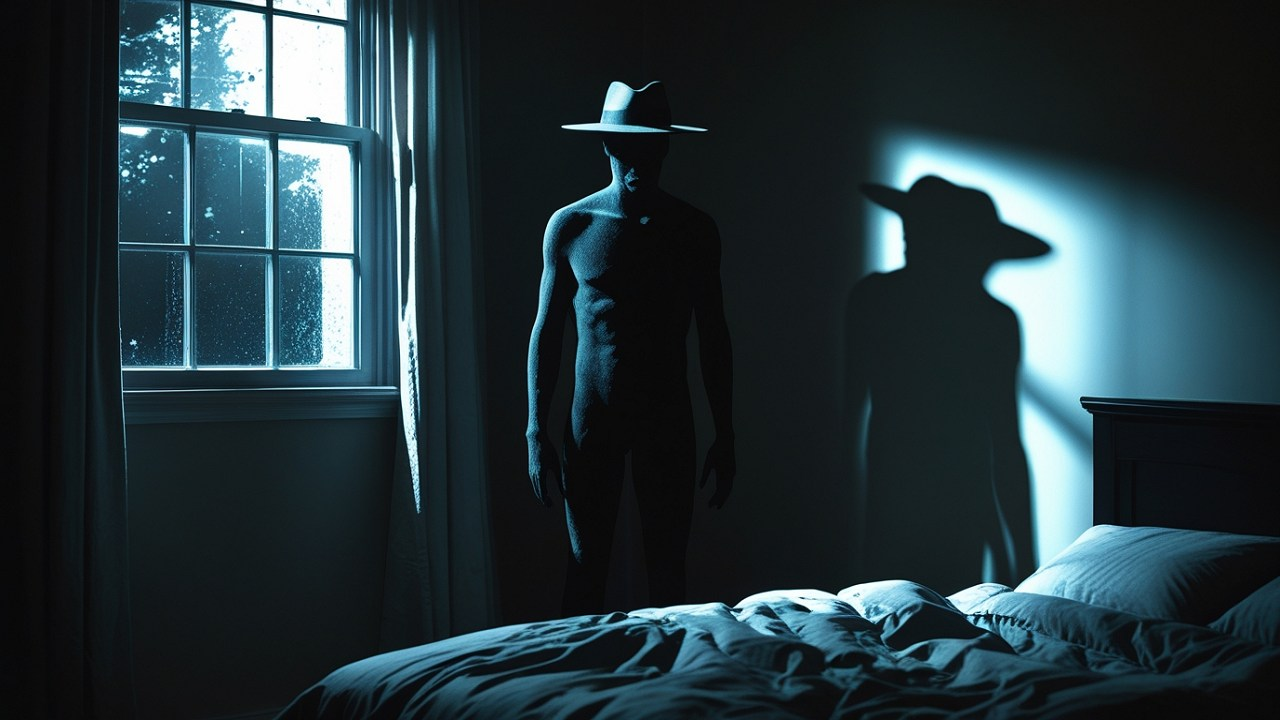
Shadow Beings, also known as Shadow People, Shadow Figures, or Hat Man entities, are one of the most commonly reported paranormal phenomena in modern accounts. They are typically described as dark, humanoid silhouettes or solid black forms that appear in peripheral vision, at the edge of rooms, or during states of sleep paralysis or hypnagogia. Unlike many other extraterrestrial or interdimensional races discussed in UFO and contactee literature, Shadow Beings are rarely claimed to be physical extraterrestrials with spacecraft or advanced technology. Instead, they are most often reported as non-corporeal, elusive presences that seem to observe, intimidate, or interact with humans in subtle or unsettling ways.
Physical Description The most consistent descriptions of Shadow Beings include the following features: -Appearance: Solid black or dark gray silhouettes with no visible facial features, clothing details, or surface texture. They often appear as two-dimensional cutouts or three-dimensional humanoid shapes with undefined edges that can shift or dissolve. -Height: Usually human-sized or slightly taller, ranging from 5 to 7 feet, though some reports describe much taller figures (up to 8–10 feet) or smaller, child-like forms. -Form: Humanoid outline with head, shoulders, torso, and limbs. Some accounts mention a fedora-style hat or cloak-like shape, leading to the specific “Hat Man” subtype. -Movement: They often move quickly, darting across rooms, standing motionless in doorways or corners, or slowly approaching the observer. Many reports note that they seem to “melt” into walls, floors, or shadows when noticed or confronted. -Presence: They are frequently described as emitting a heavy, oppressive, or malevolent energy. Some experiencers report feelings of dread, paralysis, or being watched intently.
The “Hat Man” is a particularly common variant — a tall, solid black figure wearing a wide-brimmed hat, often standing silently in the corner of a room or at the foot of the bed. Other variations include hooded figures, shapeless masses, or multiple smaller shadow entities moving together.
Common Contexts of Encounters Shadow Beings are most frequently reported in three contexts: -Sleep Paralysis and Hypnagogic States: Many encounters occur when the person is waking up, falling asleep, or in a state of sleep paralysis. The entity is often seen standing near the bed, watching or approaching the experiencer. -Peripheral Vision and Home Environments: They are commonly seen out of the corner of the eye in homes, appearing in hallways, doorways, or corners of rooms, then vanishing when looked at directly. -High-Strangeness or UFO-Related Experiences: Some individuals report Shadow Beings in conjunction with UFO sightings, alien abductions, or other paranormal activity, leading to speculation that they may be interdimensional entities, scouts, or manifestations related to extraterrestrial presence.
Encounters are usually brief and non-physical. The beings rarely speak or touch the observer, though a sense of malevolent intent or intense scrutiny is commonly reported. Some people describe feelings of suffocating fear, paralysis, or a draining of energy during the encounter.
Theories and Proposed Explanations in the Literature Within UFO and paranormal research, several interpretations exist for Shadow Beings: -Interdimensional Entities: Some researchers propose that Shadow Beings are beings from adjacent dimensions or densities that occasionally bleed through into our reality. They are sometimes linked to the “Shadow Realm” or lower astral planes. -Extraterrestrial Scouts or Probes: A subset of accounts connects Shadow Beings to UFO activity, suggesting they may be remote-viewing probes, holographic projections, or non-physical extensions of Grey or other alien intelligences sent to observe or monitor humans. -Manifestations of Fear or Consciousness: Psychological and spiritual interpretations view them as externalizations of the observer’s own fear, shadow self, or subconscious projections, especially during vulnerable states like sleep paralysis. -Negative or Opportunistic Entities: In some esoteric traditions, they are considered malevolent or parasitic entities that feed on fear or low-vibrational energy.
The “Hat Man” variant is particularly noted for its consistency across cultures and time periods, leading some researchers to speculate it may represent a specific archetype or entity that has been observed for centuries.
Key Sources and References Shadow Beings are documented primarily through anecdotal reports rather than controlled scientific study. Major sources include: -Heidi Hollis’ work: Her book The Secret War (and her website ShadowPeople.org) is one of the most comprehensive collections of Shadow Being encounters, including the “Hat Man” phenomenon. -UFO and abduction literature: Researchers such as Whitley Strieber, Budd Hopkins, and David Jacobs have noted Shadow Being-like entities in some abduction or high-strangeness contexts. -Online communities: Large numbers of personal testimonies appear on forums such as Reddit (r/ShadowPeople, r/Paranormal), Reddit r/Experiencers, and dedicated paranormal sites. -Sleep paralysis research: Scientific studies on sleep paralysis often document the presence of dark humanoid figures, providing a psychological baseline for many reports.
There is no single dominant, well-verified physical event or mass sighting that anchors the Shadow Beings phenomenon. Their presence is almost entirely based on individual eyewitness testimony, often occurring in private settings.
Credibility and Limitations Shadow Beings face significant evidentiary challenges. There is virtually no physical evidence — no photographs, video footage, or artifacts that have withstood scrutiny. Most accounts are anecdotal and occur under conditions (sleep paralysis, low light, peripheral vision) that are known to produce visual distortions or hallucinations.
Skeptics and sleep researchers attribute the majority of Shadow Being reports to sleep paralysis, hypnagogic hallucinations, or the brain’s tendency to interpret ambiguous shadows as threatening humanoid forms. The consistency of the “Hat Man” archetype is often explained as a universal cultural or neurological phenomenon rather than evidence of an objective entity.
Supporters argue that the sheer volume of consistent reports across cultures, the emotional intensity of the encounters, and occasional cases where multiple witnesses saw the same figure suggest something beyond simple hallucination or misperception.
Current Status Shadow Beings remain one of the most commonly reported paranormal phenomena worldwide. They continue to be discussed in paranormal podcasts, YouTube channels, and online forums. Interest tends to come from people who have had personal encounters or who are exploring the intersection of sleep paralysis, high-strangeness experiences, and possible interdimensional or extraterrestrial activity.
In summary, Shadow Beings are described as dark, humanoid silhouettes or solid black figures that appear in peripheral vision, during sleep paralysis, or in high-strangeness contexts. They are most often reported as silent observers that evoke feelings of dread or being watched. Information about them comes almost entirely from anecdotal eyewitness testimony, with no independent physical corroboration.
They represent one of the most elusive and psychologically unsettling phenomena in the broader paranormal and UFO fields — entities that seem to exist in the liminal space between sleep and waking, visibility and invisibility, and the known and the unknown. Whether viewed as interdimensional beings, psychological projections, extraterrestrial scouts, or something else entirely, Shadow Beings continue to intrigue and disturb those who encounter them or study their reports.
The Hat Man Phenomenon
The “Hat Man” is the most iconic, recognizable, and consistently reported figure within the broader Shadow Beings phenomenon. Described as a tall, solid black humanoid silhouette wearing a wide-brimmed hat (often resembling a fedora or similar style), the Hat Man has been independently reported by thousands of people across decades and cultures. He is widely regarded as the archetypal Shadow Being — a silent, menacing presence that has become synonymous with the entire category of dark, humanoid shadow entities.
Witnesses typically describe the Hat Man as appearing suddenly in their peripheral vision or standing motionless in doorways, corners of rooms, or at the foot of the bed. He is almost always silent and motionless, simply observing the person with an overwhelming sense of malevolence, dread, or intense scrutiny. Many experiencers report a heavy, oppressive energy emanating from the figure, often accompanied by feelings of paralysis, suffocating fear, or a draining of vitality. The entity rarely speaks or makes physical contact, yet its mere presence is described as deeply threatening and psychologically disturbing.
The Hat Man is most frequently encountered during states of sleep paralysis or in the hypnagogic/hypnopompic thresholds between sleep and waking. In these vulnerable moments, people report waking up unable to move and seeing the tall, black figure standing nearby, watching them intently. Some describe the Hat Man slowly approaching the bed or leaning over them, intensifying the sense of helplessness and terror. Others see him standing silently in a corner or doorway, his featureless black form contrasting sharply with the dim surroundings.
Encounters are not limited to sleep paralysis. Many people report seeing the Hat Man while fully awake, often in low-light conditions or out of the corner of the eye. Common settings include bedrooms, hallways, living rooms, and staircases. The figure is said to vanish instantly when the person turns to look directly at him or when lights are turned on. This consistent behavior — appearing in peripheral vision and disappearing upon direct observation — is one of the most frequently mentioned characteristics of the phenomenon.
The Hat Man has been reported since at least the 1950s and 1960s, with scattered earlier accounts possibly existing in folklore. However, the phenomenon gained significant public attention and peaked in popularity during the 2000s and 2010s, largely due to the internet. Websites such as ShadowPeople.org (created by researcher Heidi Hollis), dedicated paranormal forums, and later Reddit communities (especially r/ShadowPeople) allowed thousands of people to share their experiences. The sheer volume of nearly identical reports from unrelated individuals across different countries helped establish the Hat Man as a distinct and recognizable entity within Shadow Being lore.
A particularly notable aspect of the Hat Man phenomenon is its cross-cultural consistency. People from vastly different backgrounds, ages, and geographic locations describe the same basic figure: a tall, featureless black silhouette wearing a wide-brimmed hat. This consistency has led some researchers to speculate that the Hat Man may represent a specific archetype or interdimensional entity rather than a random hallucination or cultural construct. Others suggest it could be a universal manifestation of the “shadow self” or a collective fear response during vulnerable states.
Many experiencers report long-term or recurring encounters with the Hat Man. Some describe seeing him repeatedly over years, often in the same house or across different locations. The figure is usually silent, but a small number of reports mention him delivering brief, ominous messages or simply intensifying the feeling of dread until the person is overwhelmed. A common aftermath is lingering anxiety, sleep disturbances, or a heightened sense of being watched even when the entity is no longer visible.
The Hat Man is often distinguished from other Shadow Beings by his specific attire and taller, more defined humanoid shape. While generic Shadow People may appear as shapeless masses or smaller darting figures, the Hat Man is almost always described as tall, motionless, and wearing the distinctive hat. This specificity has made him the most memorable and frequently discussed member of the Shadow Being family.
In the broader context of paranormal and UFO-related phenomena, the Hat Man is sometimes linked to high-strangeness events. A subset of reports describe the Hat Man appearing in conjunction with UFO sightings, alien abduction experiences, or other anomalous activity. This has led some researchers to speculate that Shadow Beings, including the Hat Man, may be interdimensional entities, non-physical scouts, or manifestations connected to extraterrestrial intelligence. However, the majority of Hat Man encounters occur independently of UFO activity and are more commonly associated with sleep paralysis or home-based paranormal experiences.
The phenomenon continues to be widely discussed in the 2020s through podcasts, YouTube channels, and online forums. The consistency of reports over more than half a century, combined with the emotional intensity and shared details across unrelated witnesses, makes the Hat Man one of the most compelling and unsettling aspects of the Shadow Beings narrative.
While the Hat Man remains one of the most recognizable figures in paranormal lore, it is important to note that all accounts are anecdotal. There is no independently verified physical evidence — no clear photographs, video footage, or artifacts — associated with the entity. Scientific explanations often attribute the experiences to sleep paralysis, hypnagogic hallucinations, or the brain’s tendency to interpret ambiguous shadows as threatening humanoid forms, especially in low-light conditions or during states of heightened fear.
Nevertheless, the Hat Man phenomenon endures as a powerful and disturbing archetype. For many who have encountered him, the experience is profoundly real and leaves a lasting psychological impact. Whether viewed as an interdimensional entity, a psychological projection, a cultural archetype, or something else entirely, the Hat Man continues to fascinate and unsettle those who study or experience the Shadow Beings phenomenon.
Heidi Hollis’ Documented Cases and “The Secret War”
Author and researcher Heidi Hollis has played a pivotal role in transforming Shadow Beings from scattered, isolated anecdotes into a recognized and systematically studied paranormal phenomenon. Through her website ShadowPeople.org and her book The Secret War (published in the 2000s), Hollis has compiled one of the largest and most comprehensive databases of Shadow Being encounters, documenting thousands of personal testimonies from people around the world.
Hollis began her research after experiencing her own unsettling encounters with Shadow Beings. Motivated by the lack of organized information on the topic, she created ShadowPeople.org as a platform for people to share their experiences. The site quickly grew into a major repository, attracting submissions from individuals who had seen dark, humanoid silhouettes in their homes, often during sleep paralysis, in peripheral vision, or while fully awake in low-light conditions. Many of these reports described the classic Shadow Being traits: solid black or dark gray figures with no visible facial features, appearing in doorways, corners, or at the foot of the bed, and vanishing when directly confronted or when lights were turned on.
A significant portion of the cases Hollis documented involved the Hat Man — the tall, solid black figure wearing a wide-brimmed hat. Witnesses frequently described him standing motionless and silent, radiating an overwhelming sense of malevolence or dread. Hollis noted recurring patterns: the entity often appeared during vulnerable states such as sleep paralysis or late at night, seemed to feed on or amplify fear, and exhibited behavior that suggested intelligence and intent. She popularized the idea that Shadow Beings, including the Hat Man, may be interdimensional entities or parasitic beings that draw energy from human fear and low-vibrational emotions.
In The Secret War, Hollis expanded on these findings, presenting Shadow Beings not as random hallucinations or misperceptions but as a deliberate, organized phenomenon. She argued that these entities operate with purpose, often targeting individuals during moments of emotional vulnerability or spiritual transition. Hollis described a “secret war” taking place on a subtle energetic level, in which Shadow Beings act as opportunistic feeders or agents of fear, attempting to influence or drain the life force of those they encounter. She emphasized that many people who experience repeated Shadow Being visits report increased anxiety, sleep disturbances, and a lingering sense of being watched or oppressed even when the figures are not visibly present.
Hollis’ work helped move Shadow Beings from the fringes of paranormal discussion into a more structured field of study. By creating a centralized platform for reports and analyzing common patterns, she identified several recurring characteristics: the preference for peripheral vision and low-light conditions, the tendency to appear during sleep paralysis, the oppressive energetic signature, and the specific “Hat Man” archetype. Her research highlighted that these encounters were not limited to any particular demographic, culture, or geographic region, suggesting a universal or interdimensional aspect to the phenomenon.
One of the strengths of Hollis’ approach was her emphasis on the emotional and psychological impact of the encounters. Many contributors to her database described long-term effects, including chronic fear of the dark, difficulty sleeping, and a heightened sense of vulnerability in their own homes. Hollis encouraged experiencers to share their stories not only for documentation but also for mutual support, helping to reduce the isolation many felt when trying to explain their encounters to skeptical friends or family.
Hollis also explored possible connections between Shadow Beings and other paranormal phenomena. She noted cases where Shadow Beings appeared alongside UFO sightings, alien abduction experiences, or poltergeist activity, leading her to speculate that they may serve as scouts, monitors, or non-physical extensions of other intelligences. While she did not claim a definitive link to extraterrestrials, her work left open the possibility that Shadow Beings could be interdimensional entities operating in tandem with or independently of physical alien visitors.
Her contributions helped legitimize Shadow Beings as a distinct category worthy of serious study. Prior to Hollis’ efforts, most reports remained isolated personal stories shared in small forums or dismissed as hallucinations. By compiling thousands of accounts and identifying consistent patterns, she provided a foundation for future researchers and gave a voice to experiencers who previously felt alone or dismissed.
The significance of Heidi Hollis’ work lies in its role as the most comprehensive documentation effort dedicated specifically to Shadow Beings. Her website and book created a centralized archive that allowed patterns to emerge and gave the phenomenon a name and identity beyond generic “shadow figures.” The idea that these entities may be interdimensional or parasitic, feeding on fear, became a widely discussed framework for understanding the experiences.
As with all anecdotal paranormal research, Hollis’ findings have faced skepticism. Critics argue that many reported encounters can be explained through sleep paralysis, hypnagogic hallucinations, or the brain’s tendency to interpret ambiguous shadows as threatening humanoid forms, especially in low-light or stressed states. The lack of physical evidence — no clear photographs, video, or artifacts — remains a major limitation. However, supporters point to the sheer volume of consistent reports, the emotional authenticity of the testimonies, and the fact that many experiences occur under conditions where multiple witnesses or repeated occurrences reduce the likelihood of simple misperception.
In the broader context of Shadow Beings lore, Heidi Hollis’ documented cases and The Secret War represent a pivotal modern development. They transformed scattered personal stories into a recognized phenomenon with identifiable patterns and proposed explanations. Her work continues to serve as a primary reference point for anyone studying Shadow Beings, the Hat Man, or related high-strangeness experiences.
By creating a dedicated platform and publishing a comprehensive book, Hollis helped bring Shadow Beings out of the shadows of fringe discussion and into a more organized area of paranormal inquiry. Her emphasis on the energetic and potentially parasitic nature of these entities added a new layer of interpretation that continues to influence how many people understand and respond to their encounters.
Multiple-Witness Shadow Being Sightings in Homes
One of the most compelling aspects of the Shadow Beings phenomenon is the significant number of cases in which multiple people — family members, roommates, or visitors — report seeing the same dark humanoid figure in the same location, either simultaneously or on separate occasions. These shared experiences are frequently cited by researchers and experiencers as stronger evidence for the objective reality of Shadow Beings, because they reduce the likelihood that the sightings can be dismissed as individual hallucinations, sleep paralysis episodes, or simple misperceptions.
Such reports have been common from the 1990s through the 2020s, with many well-documented cases appearing in online forums, paranormal research archives, and collections compiled by researchers such as Heidi Hollis. The typical setting for these multi-witness sightings is a private home, with hallways, bedrooms, living rooms, and staircases being the most frequently mentioned locations. Witnesses often describe the Shadow Being as a solid black or dark gray humanoid silhouette with no visible facial features or clothing details. The figure is reported to dart quickly across a room, stand motionless while appearing to watch the occupants, or slowly approach before vanishing into walls, floors, or shadows when directly confronted or when lights are turned on.
A common pattern in these accounts is that different family members see the same entity at different times in the same house, often describing nearly identical details without having discussed the experience beforehand. For example, one person might see a tall black figure standing in the hallway at night, while another family member reports the same figure in the same spot weeks later. In some cases, two or more people see the Shadow Being at the same moment, such as a parent and child both noticing a dark silhouette in the corner of a bedroom during the night. These shared sightings frequently lead to family discussions that confirm the consistency of the description and heighten the collective sense of unease or fear within the household.
Researchers note that these multi-witness cases often involve the classic Shadow Being traits: the figure’s tendency to appear in peripheral vision, its sudden disappearance upon direct observation, and the heavy, oppressive energy or feeling of being watched that accompanies the sighting. Some reports include the “Hat Man” variant — a tall, solid black figure wearing a wide-brimmed hat — being seen by multiple people in the same home over time. The consistency of the description across witnesses who had no prior discussion of the event is frequently highlighted as particularly noteworthy.
In many of these cases, the sightings are not isolated incidents but part of a recurring pattern within the same household. Families report Shadow Beings appearing repeatedly over months or years, often in the same locations. This repetition, combined with multiple witnesses, creates a cumulative effect that makes the experiences more difficult to dismiss as random hallucinations. Some households describe a progression: initial sightings in peripheral vision, followed by more direct and prolonged observations, and sometimes culminating in feelings of dread or physical symptoms such as sleep disturbances or anxiety.
Heidi Hollis’ extensive database on ShadowPeople.org contains numerous multi-witness accounts. Hollis has noted that when multiple people in the same home report the same dark figure, the descriptions are remarkably consistent in terms of height, movement, and the emotional response it provokes. She has suggested that these shared experiences indicate that Shadow Beings may be objective entities capable of interacting with or being perceived by more than one person at a time, rather than purely subjective psychological phenomena.
Other paranormal researchers and online communities have also documented similar cases. On forums such as Reddit’s r/ShadowPeople and r/Paranormal, users frequently share stories in which siblings, spouses, or roommates independently describe seeing the same tall black silhouette in the same part of the house. These threads often include details such as the figure standing motionless in a doorway, darting across a hallway, or slowly approaching before melting into a wall. The emotional tone of these reports is typically one of fear mixed with confusion, with many people expressing relief upon discovering that others in the household had similar experiences.
The significance of multiple-witness Shadow Being sightings lies in their potential to provide stronger circumstantial evidence for the phenomenon’s objective nature. When unrelated individuals in the same environment describe the same dark humanoid figure with consistent details — height, movement, location, and emotional impact — it becomes more difficult to attribute the sightings solely to individual hallucination or misperception. These cases are often cited by those who argue that Shadow Beings represent a genuine paranormal or interdimensional phenomenon rather than a purely psychological one.
However, as with all anecdotal paranormal reports, these multi-witness accounts have limitations. There is no physical evidence — no clear photographs, video recordings, or scientific measurements — to corroborate the sightings. Skeptics point out that shared cultural expectations, suggestion, or the power of group psychology can lead multiple people to interpret ambiguous shadows or nighttime visual distortions in similar ways. Sleep paralysis and hypnagogic hallucinations can also affect more than one person in a household if environmental factors (such as carbon monoxide, mold, or stress) are present.
Nevertheless, the volume and consistency of multi-witness reports from the 1990s through the 2020s have helped establish Shadow Beings as a recognized phenomenon with recurring patterns. These cases continue to be discussed in paranormal podcasts, YouTube channels, and online forums, where experiencers find validation and support from others who have had similar encounters in their own homes.
In the broader context of Shadow Beings lore, the multiple-witness sightings in homes represent some of the strongest anecdotal evidence for the objective reality of these entities. They suggest that Shadow Beings are not merely private hallucinations but phenomena capable of being perceived by more than one person, sometimes simultaneously. This shared aspect adds weight to the idea that Shadow Beings may exist as independent entities operating in the physical environment, rather than existing solely within the mind of a single observer.
By documenting and analyzing these cases, researchers and community platforms have helped move the discussion beyond isolated personal stories toward a more collective understanding of the phenomenon. The recurring pattern of multiple people in the same household witnessing the same dark figure continues to intrigue and unsettle those who study or experience Shadow Beings.
Shadow Beings, also known as Shadow People, Shadow Figures, or Hat Man entities, are one of the most commonly reported paranormal phenomena in modern accounts. They are typically described as dark, humanoid silhouettes or solid black forms that appear in peripheral vision, at the edge of rooms, or during states of sleep paralysis or hypnagogia. Unlike many other extraterrestrial or interdimensional races discussed in UFO and contactee literature, Shadow Beings are rarely claimed to be physical extraterrestrials with spacecraft or advanced technology. Instead, they are most often reported as non-corporeal, elusive presences that seem to observe, intimidate, or interact with humans in subtle or unsettling ways.
Physical Description The most consistent descriptions of Shadow Beings include the following features: -Appearance: Solid black or dark gray silhouettes with no visible facial features, clothing details, or surface texture. They often appear as two-dimensional cutouts or three-dimensional humanoid shapes with undefined edges that can shift or dissolve. -Height: Usually human-sized or slightly taller, ranging from 5 to 7 feet, though some reports describe much taller figures (up to 8–10 feet) or smaller, child-like forms. -Form: Humanoid outline with head, shoulders, torso, and limbs. Some accounts mention a fedora-style hat or cloak-like shape, leading to the specific “Hat Man” subtype. -Movement: They often move quickly, darting across rooms, standing motionless in doorways or corners, or slowly approaching the observer. Many reports note that they seem to “melt” into walls, floors, or shadows when noticed or confronted. -Presence: They are frequently described as emitting a heavy, oppressive, or malevolent energy. Some experiencers report feelings of dread, paralysis, or being watched intently.
The “Hat Man” is a particularly common variant — a tall, solid black figure wearing a wide-brimmed hat, often standing silently in the corner of a room or at the foot of the bed. Other variations include hooded figures, shapeless masses, or multiple smaller shadow entities moving together.
Common Contexts of Encounters Shadow Beings are most frequently reported in three contexts: -Sleep Paralysis and Hypnagogic States: Many encounters occur when the person is waking up, falling asleep, or in a state of sleep paralysis. The entity is often seen standing near the bed, watching or approaching the experiencer. -Peripheral Vision and Home Environments: They are commonly seen out of the corner of the eye in homes, appearing in hallways, doorways, or corners of rooms, then vanishing when looked at directly. -High-Strangeness or UFO-Related Experiences: Some individuals report Shadow Beings in conjunction with UFO sightings, alien abductions, or other paranormal activity, leading to speculation that they may be interdimensional entities, scouts, or manifestations related to extraterrestrial presence.
Encounters are usually brief and non-physical. The beings rarely speak or touch the observer, though a sense of malevolent intent or intense scrutiny is commonly reported. Some people describe feelings of suffocating fear, paralysis, or a draining of energy during the encounter.
Theories and Proposed Explanations in the Literature Within UFO and paranormal research, several interpretations exist for Shadow Beings: -Interdimensional Entities: Some researchers propose that Shadow Beings are beings from adjacent dimensions or densities that occasionally bleed through into our reality. They are sometimes linked to the “Shadow Realm” or lower astral planes. -Extraterrestrial Scouts or Probes: A subset of accounts connects Shadow Beings to UFO activity, suggesting they may be remote-viewing probes, holographic projections, or non-physical extensions of Grey or other alien intelligences sent to observe or monitor humans. -Manifestations of Fear or Consciousness: Psychological and spiritual interpretations view them as externalizations of the observer’s own fear, shadow self, or subconscious projections, especially during vulnerable states like sleep paralysis. -Negative or Opportunistic Entities: In some esoteric traditions, they are considered malevolent or parasitic entities that feed on fear or low-vibrational energy.
The “Hat Man” variant is particularly noted for its consistency across cultures and time periods, leading some researchers to speculate it may represent a specific archetype or entity that has been observed for centuries.
Key Sources and References Shadow Beings are documented primarily through anecdotal reports rather than controlled scientific study. Major sources include: -Heidi Hollis’ work: Her book The Secret War (and her website ShadowPeople.org) is one of the most comprehensive collections of Shadow Being encounters, including the “Hat Man” phenomenon. -UFO and abduction literature: Researchers such as Whitley Strieber, Budd Hopkins, and David Jacobs have noted Shadow Being-like entities in some abduction or high-strangeness contexts. -Online communities: Large numbers of personal testimonies appear on forums such as Reddit (r/ShadowPeople, r/Paranormal), Reddit r/Experiencers, and dedicated paranormal sites. -Sleep paralysis research: Scientific studies on sleep paralysis often document the presence of dark humanoid figures, providing a psychological baseline for many reports.
There is no single dominant, well-verified physical event or mass sighting that anchors the Shadow Beings phenomenon. Their presence is almost entirely based on individual eyewitness testimony, often occurring in private settings.
Credibility and Limitations Shadow Beings face significant evidentiary challenges. There is virtually no physical evidence — no photographs, video footage, or artifacts that have withstood scrutiny. Most accounts are anecdotal and occur under conditions (sleep paralysis, low light, peripheral vision) that are known to produce visual distortions or hallucinations.
Skeptics and sleep researchers attribute the majority of Shadow Being reports to sleep paralysis, hypnagogic hallucinations, or the brain’s tendency to interpret ambiguous shadows as threatening humanoid forms. The consistency of the “Hat Man” archetype is often explained as a universal cultural or neurological phenomenon rather than evidence of an objective entity.
Supporters argue that the sheer volume of consistent reports across cultures, the emotional intensity of the encounters, and occasional cases where multiple witnesses saw the same figure suggest something beyond simple hallucination or misperception.
Current Status Shadow Beings remain one of the most commonly reported paranormal phenomena worldwide. They continue to be discussed in paranormal podcasts, YouTube channels, and online forums. Interest tends to come from people who have had personal encounters or who are exploring the intersection of sleep paralysis, high-strangeness experiences, and possible interdimensional or extraterrestrial activity.
In summary, Shadow Beings are described as dark, humanoid silhouettes or solid black figures that appear in peripheral vision, during sleep paralysis, or in high-strangeness contexts. They are most often reported as silent observers that evoke feelings of dread or being watched. Information about them comes almost entirely from anecdotal eyewitness testimony, with no independent physical corroboration.
They represent one of the most elusive and psychologically unsettling phenomena in the broader paranormal and UFO fields — entities that seem to exist in the liminal space between sleep and waking, visibility and invisibility, and the known and the unknown. Whether viewed as interdimensional beings, psychological projections, extraterrestrial scouts, or something else entirely, Shadow Beings continue to intrigue and disturb those who encounter them or study their reports.
The Hat Man Phenomenon
The “Hat Man” is the most iconic, recognizable, and consistently reported figure within the broader Shadow Beings phenomenon. Described as a tall, solid black humanoid silhouette wearing a wide-brimmed hat (often resembling a fedora or similar style), the Hat Man has been independently reported by thousands of people across decades and cultures. He is widely regarded as the archetypal Shadow Being — a silent, menacing presence that has become synonymous with the entire category of dark, humanoid shadow entities.
Witnesses typically describe the Hat Man as appearing suddenly in their peripheral vision or standing motionless in doorways, corners of rooms, or at the foot of the bed. He is almost always silent and motionless, simply observing the person with an overwhelming sense of malevolence, dread, or intense scrutiny. Many experiencers report a heavy, oppressive energy emanating from the figure, often accompanied by feelings of paralysis, suffocating fear, or a draining of vitality. The entity rarely speaks or makes physical contact, yet its mere presence is described as deeply threatening and psychologically disturbing.
The Hat Man is most frequently encountered during states of sleep paralysis or in the hypnagogic/hypnopompic thresholds between sleep and waking. In these vulnerable moments, people report waking up unable to move and seeing the tall, black figure standing nearby, watching them intently. Some describe the Hat Man slowly approaching the bed or leaning over them, intensifying the sense of helplessness and terror. Others see him standing silently in a corner or doorway, his featureless black form contrasting sharply with the dim surroundings.
Encounters are not limited to sleep paralysis. Many people report seeing the Hat Man while fully awake, often in low-light conditions or out of the corner of the eye. Common settings include bedrooms, hallways, living rooms, and staircases. The figure is said to vanish instantly when the person turns to look directly at him or when lights are turned on. This consistent behavior — appearing in peripheral vision and disappearing upon direct observation — is one of the most frequently mentioned characteristics of the phenomenon.
The Hat Man has been reported since at least the 1950s and 1960s, with scattered earlier accounts possibly existing in folklore. However, the phenomenon gained significant public attention and peaked in popularity during the 2000s and 2010s, largely due to the internet. Websites such as ShadowPeople.org (created by researcher Heidi Hollis), dedicated paranormal forums, and later Reddit communities (especially r/ShadowPeople) allowed thousands of people to share their experiences. The sheer volume of nearly identical reports from unrelated individuals across different countries helped establish the Hat Man as a distinct and recognizable entity within Shadow Being lore.
A particularly notable aspect of the Hat Man phenomenon is its cross-cultural consistency. People from vastly different backgrounds, ages, and geographic locations describe the same basic figure: a tall, featureless black silhouette wearing a wide-brimmed hat. This consistency has led some researchers to speculate that the Hat Man may represent a specific archetype or interdimensional entity rather than a random hallucination or cultural construct. Others suggest it could be a universal manifestation of the “shadow self” or a collective fear response during vulnerable states.
Many experiencers report long-term or recurring encounters with the Hat Man. Some describe seeing him repeatedly over years, often in the same house or across different locations. The figure is usually silent, but a small number of reports mention him delivering brief, ominous messages or simply intensifying the feeling of dread until the person is overwhelmed. A common aftermath is lingering anxiety, sleep disturbances, or a heightened sense of being watched even when the entity is no longer visible.
The Hat Man is often distinguished from other Shadow Beings by his specific attire and taller, more defined humanoid shape. While generic Shadow People may appear as shapeless masses or smaller darting figures, the Hat Man is almost always described as tall, motionless, and wearing the distinctive hat. This specificity has made him the most memorable and frequently discussed member of the Shadow Being family.
In the broader context of paranormal and UFO-related phenomena, the Hat Man is sometimes linked to high-strangeness events. A subset of reports describe the Hat Man appearing in conjunction with UFO sightings, alien abduction experiences, or other anomalous activity. This has led some researchers to speculate that Shadow Beings, including the Hat Man, may be interdimensional entities, non-physical scouts, or manifestations connected to extraterrestrial intelligence. However, the majority of Hat Man encounters occur independently of UFO activity and are more commonly associated with sleep paralysis or home-based paranormal experiences.
The phenomenon continues to be widely discussed in the 2020s through podcasts, YouTube channels, and online forums. The consistency of reports over more than half a century, combined with the emotional intensity and shared details across unrelated witnesses, makes the Hat Man one of the most compelling and unsettling aspects of the Shadow Beings narrative.
While the Hat Man remains one of the most recognizable figures in paranormal lore, it is important to note that all accounts are anecdotal. There is no independently verified physical evidence — no clear photographs, video footage, or artifacts — associated with the entity. Scientific explanations often attribute the experiences to sleep paralysis, hypnagogic hallucinations, or the brain’s tendency to interpret ambiguous shadows as threatening humanoid forms, especially in low-light conditions or during states of heightened fear.
Nevertheless, the Hat Man phenomenon endures as a powerful and disturbing archetype. For many who have encountered him, the experience is profoundly real and leaves a lasting psychological impact. Whether viewed as an interdimensional entity, a psychological projection, a cultural archetype, or something else entirely, the Hat Man continues to fascinate and unsettle those who study or experience the Shadow Beings phenomenon.
Heidi Hollis’ Documented Cases and “The Secret War”
Author and researcher Heidi Hollis has played a pivotal role in transforming Shadow Beings from scattered, isolated anecdotes into a recognized and systematically studied paranormal phenomenon. Through her website ShadowPeople.org and her book The Secret War (published in the 2000s), Hollis has compiled one of the largest and most comprehensive databases of Shadow Being encounters, documenting thousands of personal testimonies from people around the world.
Hollis began her research after experiencing her own unsettling encounters with Shadow Beings. Motivated by the lack of organized information on the topic, she created ShadowPeople.org as a platform for people to share their experiences. The site quickly grew into a major repository, attracting submissions from individuals who had seen dark, humanoid silhouettes in their homes, often during sleep paralysis, in peripheral vision, or while fully awake in low-light conditions. Many of these reports described the classic Shadow Being traits: solid black or dark gray figures with no visible facial features, appearing in doorways, corners, or at the foot of the bed, and vanishing when directly confronted or when lights were turned on.
A significant portion of the cases Hollis documented involved the Hat Man — the tall, solid black figure wearing a wide-brimmed hat. Witnesses frequently described him standing motionless and silent, radiating an overwhelming sense of malevolence or dread. Hollis noted recurring patterns: the entity often appeared during vulnerable states such as sleep paralysis or late at night, seemed to feed on or amplify fear, and exhibited behavior that suggested intelligence and intent. She popularized the idea that Shadow Beings, including the Hat Man, may be interdimensional entities or parasitic beings that draw energy from human fear and low-vibrational emotions.
In The Secret War, Hollis expanded on these findings, presenting Shadow Beings not as random hallucinations or misperceptions but as a deliberate, organized phenomenon. She argued that these entities operate with purpose, often targeting individuals during moments of emotional vulnerability or spiritual transition. Hollis described a “secret war” taking place on a subtle energetic level, in which Shadow Beings act as opportunistic feeders or agents of fear, attempting to influence or drain the life force of those they encounter. She emphasized that many people who experience repeated Shadow Being visits report increased anxiety, sleep disturbances, and a lingering sense of being watched or oppressed even when the figures are not visibly present.
Hollis’ work helped move Shadow Beings from the fringes of paranormal discussion into a more structured field of study. By creating a centralized platform for reports and analyzing common patterns, she identified several recurring characteristics: the preference for peripheral vision and low-light conditions, the tendency to appear during sleep paralysis, the oppressive energetic signature, and the specific “Hat Man” archetype. Her research highlighted that these encounters were not limited to any particular demographic, culture, or geographic region, suggesting a universal or interdimensional aspect to the phenomenon.
One of the strengths of Hollis’ approach was her emphasis on the emotional and psychological impact of the encounters. Many contributors to her database described long-term effects, including chronic fear of the dark, difficulty sleeping, and a heightened sense of vulnerability in their own homes. Hollis encouraged experiencers to share their stories not only for documentation but also for mutual support, helping to reduce the isolation many felt when trying to explain their encounters to skeptical friends or family.
Hollis also explored possible connections between Shadow Beings and other paranormal phenomena. She noted cases where Shadow Beings appeared alongside UFO sightings, alien abduction experiences, or poltergeist activity, leading her to speculate that they may serve as scouts, monitors, or non-physical extensions of other intelligences. While she did not claim a definitive link to extraterrestrials, her work left open the possibility that Shadow Beings could be interdimensional entities operating in tandem with or independently of physical alien visitors.
Her contributions helped legitimize Shadow Beings as a distinct category worthy of serious study. Prior to Hollis’ efforts, most reports remained isolated personal stories shared in small forums or dismissed as hallucinations. By compiling thousands of accounts and identifying consistent patterns, she provided a foundation for future researchers and gave a voice to experiencers who previously felt alone or dismissed.
The significance of Heidi Hollis’ work lies in its role as the most comprehensive documentation effort dedicated specifically to Shadow Beings. Her website and book created a centralized archive that allowed patterns to emerge and gave the phenomenon a name and identity beyond generic “shadow figures.” The idea that these entities may be interdimensional or parasitic, feeding on fear, became a widely discussed framework for understanding the experiences.
As with all anecdotal paranormal research, Hollis’ findings have faced skepticism. Critics argue that many reported encounters can be explained through sleep paralysis, hypnagogic hallucinations, or the brain’s tendency to interpret ambiguous shadows as threatening humanoid forms, especially in low-light or stressed states. The lack of physical evidence — no clear photographs, video, or artifacts — remains a major limitation. However, supporters point to the sheer volume of consistent reports, the emotional authenticity of the testimonies, and the fact that many experiences occur under conditions where multiple witnesses or repeated occurrences reduce the likelihood of simple misperception.
In the broader context of Shadow Beings lore, Heidi Hollis’ documented cases and The Secret War represent a pivotal modern development. They transformed scattered personal stories into a recognized phenomenon with identifiable patterns and proposed explanations. Her work continues to serve as a primary reference point for anyone studying Shadow Beings, the Hat Man, or related high-strangeness experiences.
By creating a dedicated platform and publishing a comprehensive book, Hollis helped bring Shadow Beings out of the shadows of fringe discussion and into a more organized area of paranormal inquiry. Her emphasis on the energetic and potentially parasitic nature of these entities added a new layer of interpretation that continues to influence how many people understand and respond to their encounters.
Multiple-Witness Shadow Being Sightings in Homes
One of the most compelling aspects of the Shadow Beings phenomenon is the significant number of cases in which multiple people — family members, roommates, or visitors — report seeing the same dark humanoid figure in the same location, either simultaneously or on separate occasions. These shared experiences are frequently cited by researchers and experiencers as stronger evidence for the objective reality of Shadow Beings, because they reduce the likelihood that the sightings can be dismissed as individual hallucinations, sleep paralysis episodes, or simple misperceptions.
Such reports have been common from the 1990s through the 2020s, with many well-documented cases appearing in online forums, paranormal research archives, and collections compiled by researchers such as Heidi Hollis. The typical setting for these multi-witness sightings is a private home, with hallways, bedrooms, living rooms, and staircases being the most frequently mentioned locations. Witnesses often describe the Shadow Being as a solid black or dark gray humanoid silhouette with no visible facial features or clothing details. The figure is reported to dart quickly across a room, stand motionless while appearing to watch the occupants, or slowly approach before vanishing into walls, floors, or shadows when directly confronted or when lights are turned on.
A common pattern in these accounts is that different family members see the same entity at different times in the same house, often describing nearly identical details without having discussed the experience beforehand. For example, one person might see a tall black figure standing in the hallway at night, while another family member reports the same figure in the same spot weeks later. In some cases, two or more people see the Shadow Being at the same moment, such as a parent and child both noticing a dark silhouette in the corner of a bedroom during the night. These shared sightings frequently lead to family discussions that confirm the consistency of the description and heighten the collective sense of unease or fear within the household.
Researchers note that these multi-witness cases often involve the classic Shadow Being traits: the figure’s tendency to appear in peripheral vision, its sudden disappearance upon direct observation, and the heavy, oppressive energy or feeling of being watched that accompanies the sighting. Some reports include the “Hat Man” variant — a tall, solid black figure wearing a wide-brimmed hat — being seen by multiple people in the same home over time. The consistency of the description across witnesses who had no prior discussion of the event is frequently highlighted as particularly noteworthy.
In many of these cases, the sightings are not isolated incidents but part of a recurring pattern within the same household. Families report Shadow Beings appearing repeatedly over months or years, often in the same locations. This repetition, combined with multiple witnesses, creates a cumulative effect that makes the experiences more difficult to dismiss as random hallucinations. Some households describe a progression: initial sightings in peripheral vision, followed by more direct and prolonged observations, and sometimes culminating in feelings of dread or physical symptoms such as sleep disturbances or anxiety.
Heidi Hollis’ extensive database on ShadowPeople.org contains numerous multi-witness accounts. Hollis has noted that when multiple people in the same home report the same dark figure, the descriptions are remarkably consistent in terms of height, movement, and the emotional response it provokes. She has suggested that these shared experiences indicate that Shadow Beings may be objective entities capable of interacting with or being perceived by more than one person at a time, rather than purely subjective psychological phenomena.
Other paranormal researchers and online communities have also documented similar cases. On forums such as Reddit’s r/ShadowPeople and r/Paranormal, users frequently share stories in which siblings, spouses, or roommates independently describe seeing the same tall black silhouette in the same part of the house. These threads often include details such as the figure standing motionless in a doorway, darting across a hallway, or slowly approaching before melting into a wall. The emotional tone of these reports is typically one of fear mixed with confusion, with many people expressing relief upon discovering that others in the household had similar experiences.
The significance of multiple-witness Shadow Being sightings lies in their potential to provide stronger circumstantial evidence for the phenomenon’s objective nature. When unrelated individuals in the same environment describe the same dark humanoid figure with consistent details — height, movement, location, and emotional impact — it becomes more difficult to attribute the sightings solely to individual hallucination or misperception. These cases are often cited by those who argue that Shadow Beings represent a genuine paranormal or interdimensional phenomenon rather than a purely psychological one.
However, as with all anecdotal paranormal reports, these multi-witness accounts have limitations. There is no physical evidence — no clear photographs, video recordings, or scientific measurements — to corroborate the sightings. Skeptics point out that shared cultural expectations, suggestion, or the power of group psychology can lead multiple people to interpret ambiguous shadows or nighttime visual distortions in similar ways. Sleep paralysis and hypnagogic hallucinations can also affect more than one person in a household if environmental factors (such as carbon monoxide, mold, or stress) are present.
Nevertheless, the volume and consistency of multi-witness reports from the 1990s through the 2020s have helped establish Shadow Beings as a recognized phenomenon with recurring patterns. These cases continue to be discussed in paranormal podcasts, YouTube channels, and online forums, where experiencers find validation and support from others who have had similar encounters in their own homes.
In the broader context of Shadow Beings lore, the multiple-witness sightings in homes represent some of the strongest anecdotal evidence for the objective reality of these entities. They suggest that Shadow Beings are not merely private hallucinations but phenomena capable of being perceived by more than one person, sometimes simultaneously. This shared aspect adds weight to the idea that Shadow Beings may exist as independent entities operating in the physical environment, rather than existing solely within the mind of a single observer.
By documenting and analyzing these cases, researchers and community platforms have helped move the discussion beyond isolated personal stories toward a more collective understanding of the phenomenon. The recurring pattern of multiple people in the same household witnessing the same dark figure continues to intrigue and unsettle those who study or experience Shadow Beings.