


Blog Categories
- African Incidents
- Atlantis Incidents
- Australian Incidents
- Belgian Incidents
- Bermuda Triangle Incidents
- Brazilian Incidents
- Canadian Incidents
- Chinese Incidents
- European Incidents
- France Incidents
- Ghosts
- Giants
- Italy Incidents
- Japanese Incidents
- Middle East Incidents
- Portugal Incidents
- Project Serpo
- Puerto Rico Incidents
- Russian Incidents
- Sasquatch
- Scandinavia Incidents
- Spanish Incidents
- UFOs
- United Kingdom Incidents
- United States Incidents
April 1897: The Aspen Airship Light
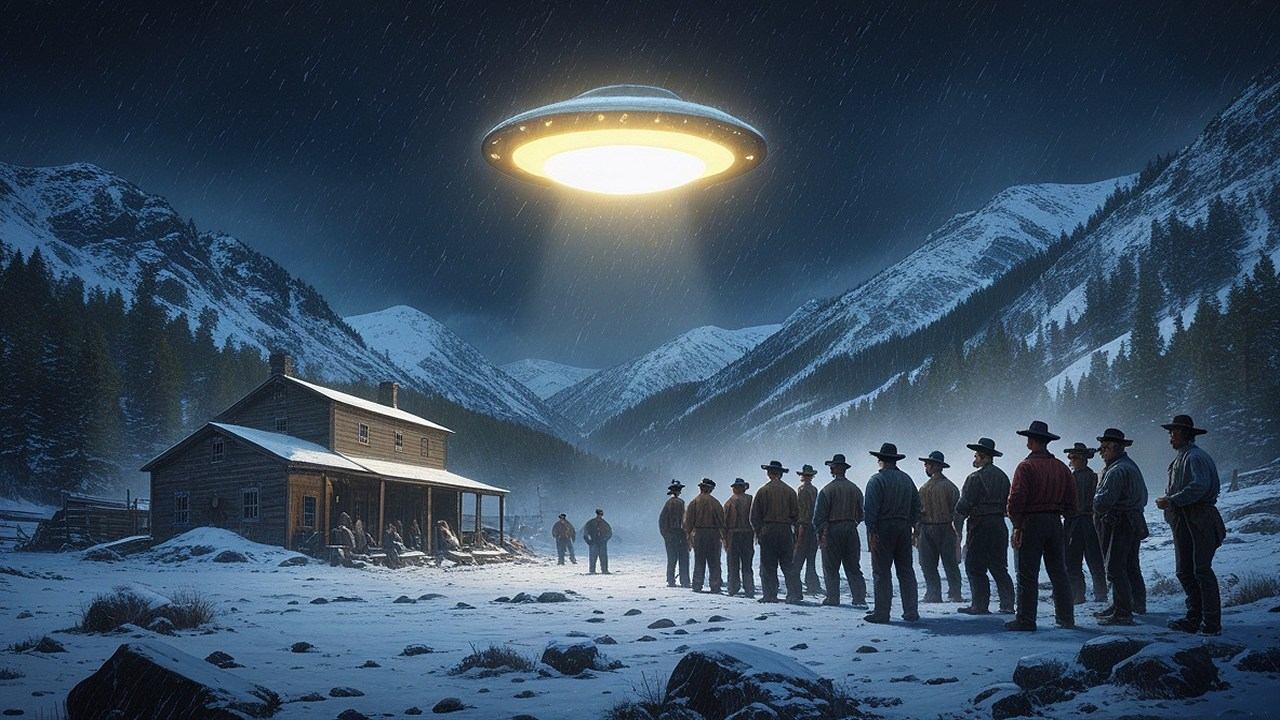
In the spring of 1897, long before Roswell, before Kenneth Arnold, and decades before the modern UFO era, something unusual appeared in the skies over Aspen, Colorado.
On a dark, snowy night, over twenty miners working at the Aspen and Durant mines looked up and saw a bright light moving through the sky. They described it as resembling the headlight of a locomotive — only much larger. The night was pitch black, snow was falling, and no stars were visible. Yet this single, powerful light stood out clearly against the storm.
This is the story of the 1897 Aspen Airship Light — one of the more credible and intriguing reports from the Great Airship Wave that swept across the United States in 1896 and 1897.
Welcome to the channel. Today we’re going back more than 125 years to examine a fascinating early UAP case from the American West — a sighting made by hard-working miners in one of the most famous mining towns in Colorado history.
Let’s set the scene.
Aspen in 1897 was a booming silver mining town, still riding the tail end of the great Colorado mining boom. The Aspen and Durant mines were active operations, with men working long shifts in difficult, often dangerous conditions. Mining towns like Aspen attracted practical, tough individuals who were used to harsh weather, isolation, and the realities of frontier life. They were not prone to wild exaggeration or flights of fancy. When something truly unusual happened, they tended to note it carefully.
According to historical records and later compilations, the event took place in the early morning hours. The sky was dark, snow was falling steadily, and visibility was poor. No stars could be seen. Yet over twenty miners at two different mines reported seeing the same thing: a bright, steady light moving across the sky — larger and more brilliant than a locomotive headlight.
The light did not behave like a meteor. It did not streak across the heavens and burn out in seconds. It moved with a deliberate, controlled presence that caught the miners’ attention and held it. In the harsh, snowy conditions of a Colorado mountain night, a light of that intensity and apparent size would have been impossible to ignore.
The fact that so many miners — working at separate locations — reported the same phenomenon gives the case real strength. These were not casual observers. These were men accustomed to working in low-light conditions, familiar with the night sky, and trained by their dangerous profession to be alert and accurate. Their collective testimony carries significant weight.
This sighting occurred during the height of the Great Airship Wave of 1896–1897. Across the United States, thousands of people from California to the Midwest and into the South reported seeing large, structured aerial craft — often cigar-shaped, equipped with bright lights, and demonstrating controlled flight. Many accounts described objects that could hover, change direction, and travel at speeds and altitudes impossible for the balloons or early experimental aircraft of the era.
The Aspen case fits comfortably into this national wave while maintaining its own distinctive details. The comparison to a locomotive headlight is particularly telling. In 1897, locomotives were the most powerful, bright artificial lights most people had ever seen. By comparing the mystery light to something familiar and mechanical, the miners were attempting to make sense of what they were seeing using the technological references available to them.
The local newspaper coverage helped preserve the event. While not every frontier sighting made the papers, this one was considered noteworthy enough to be recorded. The emphasis on the number of witnesses and the specific weather conditions shows an attempt at responsible journalism rather than pure sensationalism.
When we examine this case through a modern lens, the parallels to contemporary UAP reports are striking. Bright, steady lights moving with purpose in difficult weather conditions continue to be reported today. The miners’ description of a large, brilliant light that stood out against a dark, snowy sky echoes many modern accounts of luminous objects that seem to defy normal atmospheric behavior.
The credibility of the witnesses is one of the strongest aspects of the case. Miners in 1897 were respected, practical men who worked in some of the most dangerous conditions in the American West. Their livelihoods depended on alertness, accuracy, and teamwork. When over twenty of them independently reported the same unusual light, it becomes difficult to dismiss the event as mass hallucination or exaggeration.
The 1897 Aspen sighting did not cause widespread panic or national headlines. In the context of the larger airship wave, it was one of many reports. But its preservation in local records and later historical compilations has ensured it remains part of Colorado’s anomalous history. It serves as an important early example of a structured light phenomenon observed by multiple credible witnesses in a remote, high-altitude environment.
What makes this case especially valuable today is its timing. In 1897, powered flight was still years away. The only flying devices were basic balloons, which were completely at the mercy of the wind and could not produce steady, bright lights or controlled movement in snowy conditions. The miners would have immediately recognized a balloon or lantern if that’s what they had seen. Their comparison to a locomotive headlight shows they were trying to understand the object through the most advanced lighting technology they knew.
The absence of sound is another key detail. No roaring engines, no rushing wind, no mechanical noise — just a silent, brilliant light moving through a snowstorm. This acoustic stealth is a recurring feature in high-quality UAP reports across the decades and remains difficult to explain with conventional technology, even in 2025.
When we compare the 1897 Aspen sighting to modern cases, the continuity is remarkable. Bright, self-luminous objects that move with purpose, defy easy identification, and are witnessed by multiple credible observers continue to be reported today — including by military personnel and commercial pilots. The Aspen case shows that this phenomenon has been active in American skies for well over a century.
The miners who looked up from their work in the Aspen and Durant mines that snowy night in 1897 probably never imagined their observation would still be discussed more than 125 years later. But their straightforward, practical testimony helped preserve one of the stronger early cases from the Great Airship Wave — a wave that continues to intrigue researchers and challenge our assumptions about what has been sharing the skies with us for a very long time.
As we push for greater transparency and scientific study of UAP in the 21st century, historical cases like the 1897 Aspen Airship Light provide essential context. They remind us that this mystery did not begin with Roswell or the modern era. It has been unfolding for generations, observed by ordinary working people in all corners of the country.
The bright locomotive-like light that moved through the Colorado snowstorm in 1897 may have eventually disappeared from view, but its place in UFO history remains secure. It stands as early evidence that something highly unusual has been operating in American skies for a very long time — witnessed by credible people who had no cultural framework or agenda to invent such stories.
The miners of Aspen in 1897 looked up and saw something that defied their understanding of the world. Today, with vastly better tools and knowledge, we continue to see similar objects reported by pilots, military personnel, and everyday citizens. The more things change, the more the skies seem determined to keep their secrets.
The 1897 Aspen sighting is a powerful reminder that the search for answers did not begin in the 1940s. It began when practical, working men in the mountains of Colorado looked up during a snowstorm and saw a light that simply should not have been there.
And more than a century later, we’re still trying to understand what that light — and others like it — truly represents.
In the spring of 1897, long before Roswell, before Kenneth Arnold, and decades before the modern UFO era, something unusual appeared in the skies over Aspen, Colorado.
On a dark, snowy night, over twenty miners working at the Aspen and Durant mines looked up and saw a bright light moving through the sky. They described it as resembling the headlight of a locomotive — only much larger. The night was pitch black, snow was falling, and no stars were visible. Yet this single, powerful light stood out clearly against the storm.
This is the story of the 1897 Aspen Airship Light — one of the more credible and intriguing reports from the Great Airship Wave that swept across the United States in 1896 and 1897.
Welcome to the channel. Today we’re going back more than 125 years to examine a fascinating early UAP case from the American West — a sighting made by hard-working miners in one of the most famous mining towns in Colorado history.
Let’s set the scene.
Aspen in 1897 was a booming silver mining town, still riding the tail end of the great Colorado mining boom. The Aspen and Durant mines were active operations, with men working long shifts in difficult, often dangerous conditions. Mining towns like Aspen attracted practical, tough individuals who were used to harsh weather, isolation, and the realities of frontier life. They were not prone to wild exaggeration or flights of fancy. When something truly unusual happened, they tended to note it carefully.
According to historical records and later compilations, the event took place in the early morning hours. The sky was dark, snow was falling steadily, and visibility was poor. No stars could be seen. Yet over twenty miners at two different mines reported seeing the same thing: a bright, steady light moving across the sky — larger and more brilliant than a locomotive headlight.
The light did not behave like a meteor. It did not streak across the heavens and burn out in seconds. It moved with a deliberate, controlled presence that caught the miners’ attention and held it. In the harsh, snowy conditions of a Colorado mountain night, a light of that intensity and apparent size would have been impossible to ignore.
The fact that so many miners — working at separate locations — reported the same phenomenon gives the case real strength. These were not casual observers. These were men accustomed to working in low-light conditions, familiar with the night sky, and trained by their dangerous profession to be alert and accurate. Their collective testimony carries significant weight.
This sighting occurred during the height of the Great Airship Wave of 1896–1897. Across the United States, thousands of people from California to the Midwest and into the South reported seeing large, structured aerial craft — often cigar-shaped, equipped with bright lights, and demonstrating controlled flight. Many accounts described objects that could hover, change direction, and travel at speeds and altitudes impossible for the balloons or early experimental aircraft of the era.
The Aspen case fits comfortably into this national wave while maintaining its own distinctive details. The comparison to a locomotive headlight is particularly telling. In 1897, locomotives were the most powerful, bright artificial lights most people had ever seen. By comparing the mystery light to something familiar and mechanical, the miners were attempting to make sense of what they were seeing using the technological references available to them.
The local newspaper coverage helped preserve the event. While not every frontier sighting made the papers, this one was considered noteworthy enough to be recorded. The emphasis on the number of witnesses and the specific weather conditions shows an attempt at responsible journalism rather than pure sensationalism.
When we examine this case through a modern lens, the parallels to contemporary UAP reports are striking. Bright, steady lights moving with purpose in difficult weather conditions continue to be reported today. The miners’ description of a large, brilliant light that stood out against a dark, snowy sky echoes many modern accounts of luminous objects that seem to defy normal atmospheric behavior.
The credibility of the witnesses is one of the strongest aspects of the case. Miners in 1897 were respected, practical men who worked in some of the most dangerous conditions in the American West. Their livelihoods depended on alertness, accuracy, and teamwork. When over twenty of them independently reported the same unusual light, it becomes difficult to dismiss the event as mass hallucination or exaggeration.
The 1897 Aspen sighting did not cause widespread panic or national headlines. In the context of the larger airship wave, it was one of many reports. But its preservation in local records and later historical compilations has ensured it remains part of Colorado’s anomalous history. It serves as an important early example of a structured light phenomenon observed by multiple credible witnesses in a remote, high-altitude environment.
What makes this case especially valuable today is its timing. In 1897, powered flight was still years away. The only flying devices were basic balloons, which were completely at the mercy of the wind and could not produce steady, bright lights or controlled movement in snowy conditions. The miners would have immediately recognized a balloon or lantern if that’s what they had seen. Their comparison to a locomotive headlight shows they were trying to understand the object through the most advanced lighting technology they knew.
The absence of sound is another key detail. No roaring engines, no rushing wind, no mechanical noise — just a silent, brilliant light moving through a snowstorm. This acoustic stealth is a recurring feature in high-quality UAP reports across the decades and remains difficult to explain with conventional technology, even in 2025.
When we compare the 1897 Aspen sighting to modern cases, the continuity is remarkable. Bright, self-luminous objects that move with purpose, defy easy identification, and are witnessed by multiple credible observers continue to be reported today — including by military personnel and commercial pilots. The Aspen case shows that this phenomenon has been active in American skies for well over a century.
The miners who looked up from their work in the Aspen and Durant mines that snowy night in 1897 probably never imagined their observation would still be discussed more than 125 years later. But their straightforward, practical testimony helped preserve one of the stronger early cases from the Great Airship Wave — a wave that continues to intrigue researchers and challenge our assumptions about what has been sharing the skies with us for a very long time.
As we push for greater transparency and scientific study of UAP in the 21st century, historical cases like the 1897 Aspen Airship Light provide essential context. They remind us that this mystery did not begin with Roswell or the modern era. It has been unfolding for generations, observed by ordinary working people in all corners of the country.
The bright locomotive-like light that moved through the Colorado snowstorm in 1897 may have eventually disappeared from view, but its place in UFO history remains secure. It stands as early evidence that something highly unusual has been operating in American skies for a very long time — witnessed by credible people who had no cultural framework or agenda to invent such stories.
The miners of Aspen in 1897 looked up and saw something that defied their understanding of the world. Today, with vastly better tools and knowledge, we continue to see similar objects reported by pilots, military personnel, and everyday citizens. The more things change, the more the skies seem determined to keep their secrets.
The 1897 Aspen sighting is a powerful reminder that the search for answers did not begin in the 1940s. It began when practical, working men in the mountains of Colorado looked up during a snowstorm and saw a light that simply should not have been there.
And more than a century later, we’re still trying to understand what that light — and others like it — truly represents.