


Blog Categories
- African Incidents
- Atlantis Incidents
- Australian Incidents
- Belgian Incidents
- Bermuda Triangle Incidents
- Brazilian Incidents
- Canadian Incidents
- Chinese Incidents
- European Incidents
- France Incidents
- Ghosts
- Giants
- Italy Incidents
- Japanese Incidents
- Middle East Incidents
- Portugal Incidents
- Project Serpo
- Puerto Rico Incidents
- Russian Incidents
- Sasquatch
- Scandinavia Incidents
- Spanish Incidents
- UFOs
- United Kingdom Incidents
- United States Incidents
Mysterious Lights in the Northern Sky
In the early 19th century, the remote territories surrounding Hudson Bay in Northern Canada were among the least explored and most rugged parts of the continent. These regions were dotted with fur trading outposts managed by the Hudson’s Bay Company (HBC), which had been operating since 1670 under royal charter.
These outposts served not only as economic hubs for the lucrative fur trade but also as cultural crossroads where European traders and Indigenous communities regularly interacted.
The Historical Context
By 1815, the Hudson’s Bay Company had been entrenched in Northern Canada for nearly a century and a half. Its employees, mostly of British and Scottish origin, worked in isolated posts under grueling conditions.
Life was structured, disciplined, and marked by long periods of monotony interrupted by extreme weather, hunting expeditions, Indigenous interactions, and, occasionally, unexplained events.
One of the core duties of many HBC employees, particularly post managers and clerks, was to keep detailed journals. These entries included day-to-day operations, bartering records, local observations, weather reports, and interactions with local Cree, Inuit, and other Indigenous peoples. The quality and tone of these journals varied by individual, but many of them reflect a strong commitment to empirical observation—an echo of the Enlightenment ideals of order and documentation that permeated European institutions.
Reported Phenomena in the Journals
Numerous surviving HBC journals are now held in archives such as the Hudson’s Bay Company Archives (HBCA) in Winnipeg and Library and Archives Canada.
These documents are not devoid of strange observations. Researchers have uncovered entries detailing:
Unusual atmospheric lights that could not be explained by known weather phenomena.
Strange sounds at night with no identifiable source.
Reports of sudden changes in animal behavior, often interpreted by the Cree and Dene as signs of supernatural activity.
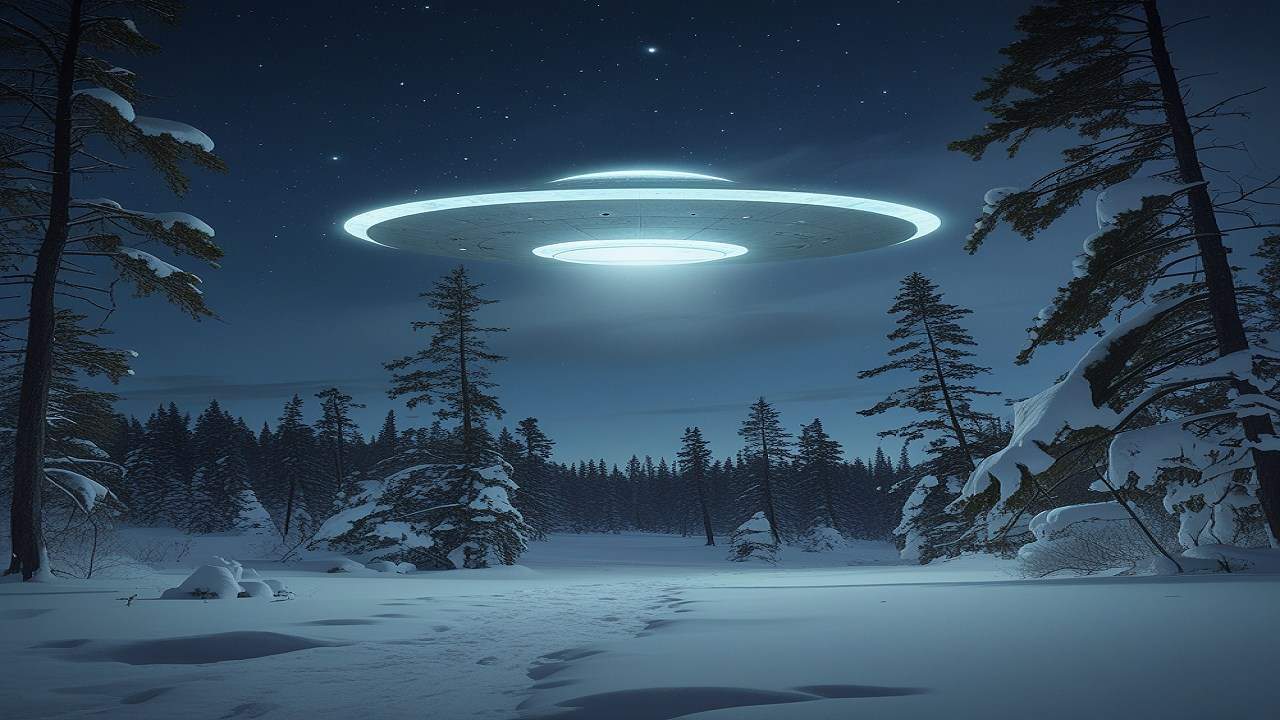
However, the specific claim of an 1815 entry describing a “glowing disk that hovered above the treetops in silence” does not appear in verified archival material accessible to scholars or the public. This does not necessarily mean no such event was observed or recorded, but rather that it has not been authenticated in the historical record.
Indigenous Interpretations
While HBC personnel interpreted unexplained phenomena through a European lens—ranging from scientific curiosity to Christian superstition —Indigenous communities often viewed these events through spiritual and cosmological frameworks.
According to oral traditions among the Cree, Dene, and Inuit peoples, the sky was inhabited by spirits and entities. Lights in the sky, especially those that behaved unusually or seemed to interact with the Earth, were often interpreted as signs from ancestors or portents of significant change. The northern lights (aurora borealis), for instance, were widely believed to be spirits dancing, and their intensity could be taken as a message from the spirit world.
In this cultural context, it’s not implausible that a luminous object— natural or otherwise—hovering in the sky could have been interpreted as an “omen” by local Cree guides, as the prompt suggests. Whether such an event occurred on a specific date like 1815 is harder to verify, but similar reports of luminous objects feature in a wide variety of Indigenous oral histories from across Canada.
Environmental Factors and Possible Explanations
The Hudson Bay region is known for extreme atmospheric conditions. These include ice crystal halos, ball lightning, and rare weather optical phenomena like sundogs and noctilucent clouds—all of which can appear eerie or unexplainable, particularly in the long, dark winters.
Additionally, researchers have proposed that some historical reports of “glowing objects” or “silent lights” might have been:
Meteorites or fireballs, which are often dramatic, fast-moving, and silent.
Auroral activity, which was sometimes unusually bright or displayed peculiar behavior due to geomagnetic storms.
Plasma phenomena such as St. Elmo’s fire, which were known but poorly understood at the time.
Modern Reinterpretations
In the 20th and 21st centuries, interest in early reports of unexplained aerial phenomena surged, particularly among UFO researchers and historians of science. Some of these researchers have revisited old fur trade journals looking for signs of “pre-modern” UFO sightings. While no smoking gun has been found in terms of 1815 Hudson Bay records, there are multiple examples of unexplained lights or events being documented.
For instance, author Chris Rutkowski, one of Canada’s leading UFO researchers, has long emphasized the importance of cataloging historical sightings in Canadian history—even those lacking direct evidence— because they reflect persistent patterns in human perception of the sky.
In his archives, Rutkowski includes numerous reports that rely on second hand accounts or historical anecdotes. He has stated that early HBC documents could be an untapped reservoir of pre-aviation anomalous aerial sightings, but they require rigorous archival work to verify.
Archival and Scholarly Work
Efforts to digitize and make accessible the fur trade journals have been ongoing. Some key sources for further exploration include:
Hudson’s Bay Company Archives (HBCA) – Winnipeg, Manitoba.
Library and Archives Canada – Ottawa, Ontario.
Peel’s Prairie Provinces Digital Collection – University of Alberta.
Canadian Museum of History – which holds Indigenous oral histories and ethnographic records.
While none of these sources contain a definitive reference to a 1815 glowing disk sighting, the body of knowledge they hold offers rich context to explore the cultural and environmental landscape in which such an event might have been experienced and interpreted.
Conclusion
While the specific claim of a “glowing disk” seen by Hudson’s Bay Company employees in 1815 remains unverified by existing records, the setting in which it is said to have occurred was fertile ground for mysterious sightings.
The combination of remote, dark skies, atmospheric phenomena, Indigenous spiritual interpretations, and early European recordkeeping creates a compelling framework in which an unexplained aerial event might have been documented—if not exactly as described, then in spirit.
Further investigation into the handwritten journals of HBC employees could yet yield new discoveries about what people in early Canada witnessed in the skies. Until then, this account remains part of the intriguing and still-growing body of Canadian anomalous aerial sightings —rooted in history, shaped by culture, and guided by curiosity.
In the early 19th century, the remote territories surrounding Hudson Bay in Northern Canada were among the least explored and most rugged parts of the continent. These regions were dotted with fur trading outposts managed by the Hudson’s Bay Company (HBC), which had been operating since 1670 under royal charter.
These outposts served not only as economic hubs for the lucrative fur trade but also as cultural crossroads where European traders and Indigenous communities regularly interacted.
The Historical Context
By 1815, the Hudson’s Bay Company had been entrenched in Northern Canada for nearly a century and a half. Its employees, mostly of British and Scottish origin, worked in isolated posts under grueling conditions.
Life was structured, disciplined, and marked by long periods of monotony interrupted by extreme weather, hunting expeditions, Indigenous interactions, and, occasionally, unexplained events.
One of the core duties of many HBC employees, particularly post managers and clerks, was to keep detailed journals. These entries included day-to-day operations, bartering records, local observations, weather reports, and interactions with local Cree, Inuit, and other Indigenous peoples. The quality and tone of these journals varied by individual, but many of them reflect a strong commitment to empirical observation—an echo of the Enlightenment ideals of order and documentation that permeated European institutions.
Reported Phenomena in the Journals
Numerous surviving HBC journals are now held in archives such as the Hudson’s Bay Company Archives (HBCA) in Winnipeg and Library and Archives Canada.
These documents are not devoid of strange observations. Researchers have uncovered entries detailing:
Unusual atmospheric lights that could not be explained by known weather phenomena.
Strange sounds at night with no identifiable source.
Reports of sudden changes in animal behavior, often interpreted by the Cree and Dene as signs of supernatural activity.
However, the specific claim of an 1815 entry describing a “glowing disk that hovered above the treetops in silence” does not appear in verified archival material accessible to scholars or the public. This does not necessarily mean no such event was observed or recorded, but rather that it has not been authenticated in the historical record.
Indigenous Interpretations
While HBC personnel interpreted unexplained phenomena through a European lens—ranging from scientific curiosity to Christian superstition —Indigenous communities often viewed these events through spiritual and cosmological frameworks.
According to oral traditions among the Cree, Dene, and Inuit peoples, the sky was inhabited by spirits and entities. Lights in the sky, especially those that behaved unusually or seemed to interact with the Earth, were often interpreted as signs from ancestors or portents of significant change. The northern lights (aurora borealis), for instance, were widely believed to be spirits dancing, and their intensity could be taken as a message from the spirit world.
In this cultural context, it’s not implausible that a luminous object— natural or otherwise—hovering in the sky could have been interpreted as an “omen” by local Cree guides, as the prompt suggests. Whether such an event occurred on a specific date like 1815 is harder to verify, but similar reports of luminous objects feature in a wide variety of Indigenous oral histories from across Canada.
Environmental Factors and Possible Explanations
The Hudson Bay region is known for extreme atmospheric conditions. These include ice crystal halos, ball lightning, and rare weather optical phenomena like sundogs and noctilucent clouds—all of which can appear eerie or unexplainable, particularly in the long, dark winters.
Additionally, researchers have proposed that some historical reports of “glowing objects” or “silent lights” might have been:
Meteorites or fireballs, which are often dramatic, fast-moving, and silent.
Auroral activity, which was sometimes unusually bright or displayed peculiar behavior due to geomagnetic storms.
Plasma phenomena such as St. Elmo’s fire, which were known but poorly understood at the time.
Modern Reinterpretations
In the 20th and 21st centuries, interest in early reports of unexplained aerial phenomena surged, particularly among UFO researchers and historians of science. Some of these researchers have revisited old fur trade journals looking for signs of “pre-modern” UFO sightings. While no smoking gun has been found in terms of 1815 Hudson Bay records, there are multiple examples of unexplained lights or events being documented.
For instance, author Chris Rutkowski, one of Canada’s leading UFO researchers, has long emphasized the importance of cataloging historical sightings in Canadian history—even those lacking direct evidence— because they reflect persistent patterns in human perception of the sky.
In his archives, Rutkowski includes numerous reports that rely on second hand accounts or historical anecdotes. He has stated that early HBC documents could be an untapped reservoir of pre-aviation anomalous aerial sightings, but they require rigorous archival work to verify.
Archival and Scholarly Work
Efforts to digitize and make accessible the fur trade journals have been ongoing. Some key sources for further exploration include:
Hudson’s Bay Company Archives (HBCA) – Winnipeg, Manitoba.
Library and Archives Canada – Ottawa, Ontario.
Peel’s Prairie Provinces Digital Collection – University of Alberta.
Canadian Museum of History – which holds Indigenous oral histories and ethnographic records.
While none of these sources contain a definitive reference to a 1815 glowing disk sighting, the body of knowledge they hold offers rich context to explore the cultural and environmental landscape in which such an event might have been experienced and interpreted.
Conclusion
While the specific claim of a “glowing disk” seen by Hudson’s Bay Company employees in 1815 remains unverified by existing records, the setting in which it is said to have occurred was fertile ground for mysterious sightings.
The combination of remote, dark skies, atmospheric phenomena, Indigenous spiritual interpretations, and early European recordkeeping creates a compelling framework in which an unexplained aerial event might have been documented—if not exactly as described, then in spirit.
Further investigation into the handwritten journals of HBC employees could yet yield new discoveries about what people in early Canada witnessed in the skies. Until then, this account remains part of the intriguing and still-growing body of Canadian anomalous aerial sightings —rooted in history, shaped by culture, and guided by curiosity.