


Blog Categories
- African Incidents
- Atlantis Incidents
- Australian Incidents
- Belgian Incidents
- Bermuda Triangle Incidents
- Brazilian Incidents
- Canadian Incidents
- Chinese Incidents
- European Incidents
- France Incidents
- Ghosts
- Giants
- Italy Incidents
- Japanese Incidents
- Middle East Incidents
- Portugal Incidents
- Project Serpo
- Puerto Rico Incidents
- Russian Incidents
- Sasquatch
- Scandinavia Incidents
- Spanish Incidents
- UFOs
- United Kingdom Incidents
- United States Incidents
The Florida Echoes of the 1896 Airship Wave
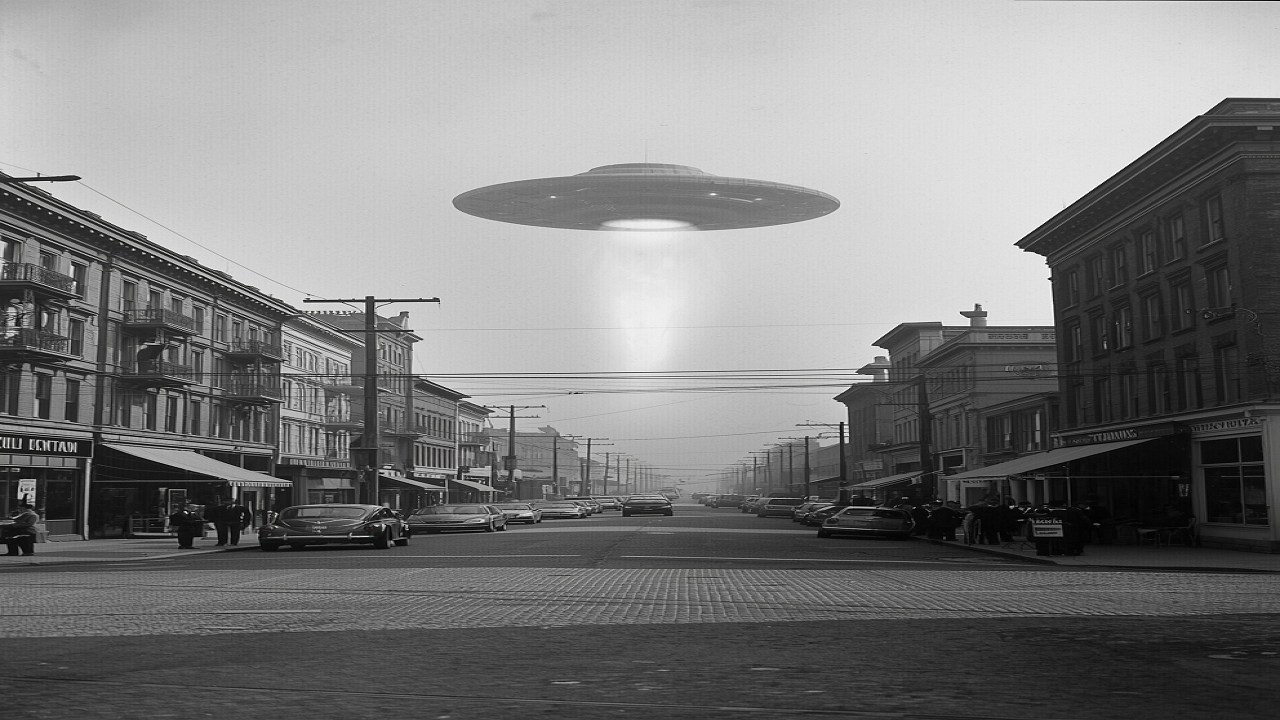
The 1896–97 mystery airship wave across the United States became one of the earliest mass cultural events centered on unexplained aerial phenomena. Reports of elongated, cigar-shaped craft with bright searchlight-like beams appeared in newspapers from California to the Midwest and across the Great Plains. These accounts formed a transcontinental story that spread rapidly through telegraph networks and newswire syndication systems. Though many of the detailed and well documented sightings come from states far from the American Southeast, it is reasonable to consider how the wave may have reached Florida through rumor, newspaper reprinting, or local speculation. Scattered commentary from the period suggests that Florida communities, particularly those along rail lines and coastal trade routes, would have been exposed to the growing national fascination with the airship narrative. While no widely verified Florida-specific reports are preserved in the major searchable archives available today, the cultural environment of the time allows for the possibility that smaller papers or brief telegraph items once circulated locally but have not survived into modern indexing.
During the late nineteenth century, Florida was undergoing significant change. Railroads pushed deeper into the state, connecting coastal towns and facilitating the movement of goods, people, and information. Newspapers, which served as the primary community forum, were eager to participate in national narratives. The mystery airship stories offered excitement, modernity, and a sense of wonder during a time when aviation had not yet achieved practical success. Reports of airships in California had already been framed as potential breakthroughs in engineering. Speculation circulated that inventors such as Thomas Edison or anonymous geniuses were preparing to unveil new technologies. This blend of imagination, scientific curiosity, and the emerging power of mass communication created fertile ground for widespread repetition of the airship narrative.
In many regions of the United States, editors exaggerated or entirely invented airship sightings to maintain reader interest. The competitive nature of local journalism encouraged dramatic storytelling. In an age before television or radio, the printed word had immense influence. When one newspaper ran a story describing a luminous craft drifting across the night sky, neighboring papers often reprinted it or adapted it into a local setting. This practice blurs the boundary between documentation and rumor. Because of this, it is not surprising that researchers have difficulty verifying Florida-specific airship sightings. Small newspapers often did not preserve their archives, or they existed only in limited microfilm collections that remain undigitized. A complete record may never be recovered, which means that absence of evidence is not evidence of absence.
Even without a confirmed Florida sighting, the idea of the mystery airship almost certainly reached residents through reprinted articles and public conversation. Telegraph lines carried the earliest reports to editors across the country. Many Florida communities, especially along railroad hubs like Jacksonville, Tampa, and Tallahassee, had ready access to national newswire content. Readers would have encountered headlines referencing strange lights, flying machines, and accounts of unusual encounters with supposed aerial travelers. In some locations elsewhere in the country, witnesses described occupants who spoke in accented English or claimed to be inventors testing new technology. In others, the descriptions turned more mysterious. Bright lights, metallic shapes, and hovering maneuvers beyond the capabilities of known aircraft became recurring motifs. These elements fed speculation, folklore, and theater.
The rumor-based spread of the airship wave shaped public imagination in meaningful ways. Ordinary people at the time were adjusting to remarkable technological advances. Electricity was becoming common in some cities. Cameras were growing more portable. Telegraph communication enabled nearly instantaneous transmission of news across states. The boundary between the possible and the impossible seemed thin. The airship stories fit into this transitional period. For some, they symbolized progress.
For others, they represented uncertainty about what the future might bring. This cultural tension created a receptive environment in which even the possibility of extraordinary flying machines could be believed or at least entertained.
Florida, with its long coastline, marshlands, and vast nighttime horizons, was a place where atmospheric phenomena could easily inspire interpretation. Bright stars, meteor trails, or distant lanterns from ships at sea could take on new meaning when framed by national excitement. The imagination of a community is shaped not just by what is seen, but by what people expect to see. During the wave of 1896–97, residents who followed national news might have stepped outside on clear nights and wondered if the mysterious airship would appear in their own skies. The mere anticipation of an unexplained event can affect memory, storytelling, and community identity. This is one of the reasons why historical rumor can leave cultural traces even when official documentation remains absent.
The broader impact of the airship wave can still be seen in how aerial phenomena are discussed today. The events of 1896–97 established a pattern: when people across different regions witness or believe they witness something unexplained in the sky, the stories spread quickly through available communications networks. In the early twentieth century, newspapers were the medium. In the modern era, it is television, social media, and digital communication. The structure remains remarkably similar. Reports circulate. Some observers describe strange craft. Others voice skepticism. Some communities become known for sightings, while others only experience the wave through secondhand accounts. The airship wave helped create a cultural template for how society responds to unexplained aerial events.
Notable figures sometimes appear in discussions of the airship wave, particularly inventors and early aviation pioneers. For example, Thomas Edison was repeatedly rumored to be the mind behind the airships, though he publicly denied any involvement. His name became attached to the narrative because he represented the new technological era.
The idea that a single inventor could revolutionize society with a hidden invention fit the popular storytelling conventions of the time. While Edison had no connection to Florida sightings specifically, his public presence influenced how people interpreted the possibility of advanced machines. The technological optimism of the era made extraordinary claims seem believable.
The lack of fully confirmed Florida sightings from the 1896–97 wave does not diminish the significance of the period. Instead, it highlights how regional history can be shaped by national narratives even when local documentation is incomplete. Florida’s experience with the airship wave exists primarily in its exposure to the stories, discussions, and public imagination that spread during those months. The state participated as part of the broader national audience that encountered new ideas about flight, mystery, and possibility. The airship wave encouraged individuals to look upward and consider the idea that the world was changing faster than they had realized.
Although the wave passed, the cultural imprint remained. The events of 1896–97 helped condition the American public to entertain the concept of unexplained aerial phenomena. Later sightings, whether in the mid twentieth century or in more recent decades, occurred in a world already familiar with the idea that the sky might hold more than birds and human built aircraft. The airship wave did not just represent stories of mysterious machines. It represented a shift in the collective imagination, one that would continue to influence how people interpret the unknown for generations to come.
The 1896–97 mystery airship wave across the United States became one of the earliest mass cultural events centered on unexplained aerial phenomena. Reports of elongated, cigar-shaped craft with bright searchlight-like beams appeared in newspapers from California to the Midwest and across the Great Plains. These accounts formed a transcontinental story that spread rapidly through telegraph networks and newswire syndication systems. Though many of the detailed and well documented sightings come from states far from the American Southeast, it is reasonable to consider how the wave may have reached Florida through rumor, newspaper reprinting, or local speculation. Scattered commentary from the period suggests that Florida communities, particularly those along rail lines and coastal trade routes, would have been exposed to the growing national fascination with the airship narrative. While no widely verified Florida-specific reports are preserved in the major searchable archives available today, the cultural environment of the time allows for the possibility that smaller papers or brief telegraph items once circulated locally but have not survived into modern indexing.
During the late nineteenth century, Florida was undergoing significant change. Railroads pushed deeper into the state, connecting coastal towns and facilitating the movement of goods, people, and information. Newspapers, which served as the primary community forum, were eager to participate in national narratives. The mystery airship stories offered excitement, modernity, and a sense of wonder during a time when aviation had not yet achieved practical success. Reports of airships in California had already been framed as potential breakthroughs in engineering. Speculation circulated that inventors such as Thomas Edison or anonymous geniuses were preparing to unveil new technologies. This blend of imagination, scientific curiosity, and the emerging power of mass communication created fertile ground for widespread repetition of the airship narrative.
In many regions of the United States, editors exaggerated or entirely invented airship sightings to maintain reader interest. The competitive nature of local journalism encouraged dramatic storytelling. In an age before television or radio, the printed word had immense influence. When one newspaper ran a story describing a luminous craft drifting across the night sky, neighboring papers often reprinted it or adapted it into a local setting. This practice blurs the boundary between documentation and rumor. Because of this, it is not surprising that researchers have difficulty verifying Florida-specific airship sightings. Small newspapers often did not preserve their archives, or they existed only in limited microfilm collections that remain undigitized. A complete record may never be recovered, which means that absence of evidence is not evidence of absence.
Even without a confirmed Florida sighting, the idea of the mystery airship almost certainly reached residents through reprinted articles and public conversation. Telegraph lines carried the earliest reports to editors across the country. Many Florida communities, especially along railroad hubs like Jacksonville, Tampa, and Tallahassee, had ready access to national newswire content. Readers would have encountered headlines referencing strange lights, flying machines, and accounts of unusual encounters with supposed aerial travelers. In some locations elsewhere in the country, witnesses described occupants who spoke in accented English or claimed to be inventors testing new technology. In others, the descriptions turned more mysterious. Bright lights, metallic shapes, and hovering maneuvers beyond the capabilities of known aircraft became recurring motifs. These elements fed speculation, folklore, and theater.
The rumor-based spread of the airship wave shaped public imagination in meaningful ways. Ordinary people at the time were adjusting to remarkable technological advances. Electricity was becoming common in some cities. Cameras were growing more portable. Telegraph communication enabled nearly instantaneous transmission of news across states. The boundary between the possible and the impossible seemed thin. The airship stories fit into this transitional period. For some, they symbolized progress.
For others, they represented uncertainty about what the future might bring. This cultural tension created a receptive environment in which even the possibility of extraordinary flying machines could be believed or at least entertained.
Florida, with its long coastline, marshlands, and vast nighttime horizons, was a place where atmospheric phenomena could easily inspire interpretation. Bright stars, meteor trails, or distant lanterns from ships at sea could take on new meaning when framed by national excitement. The imagination of a community is shaped not just by what is seen, but by what people expect to see. During the wave of 1896–97, residents who followed national news might have stepped outside on clear nights and wondered if the mysterious airship would appear in their own skies. The mere anticipation of an unexplained event can affect memory, storytelling, and community identity. This is one of the reasons why historical rumor can leave cultural traces even when official documentation remains absent.
The broader impact of the airship wave can still be seen in how aerial phenomena are discussed today. The events of 1896–97 established a pattern: when people across different regions witness or believe they witness something unexplained in the sky, the stories spread quickly through available communications networks. In the early twentieth century, newspapers were the medium. In the modern era, it is television, social media, and digital communication. The structure remains remarkably similar. Reports circulate. Some observers describe strange craft. Others voice skepticism. Some communities become known for sightings, while others only experience the wave through secondhand accounts. The airship wave helped create a cultural template for how society responds to unexplained aerial events.
Notable figures sometimes appear in discussions of the airship wave, particularly inventors and early aviation pioneers. For example, Thomas Edison was repeatedly rumored to be the mind behind the airships, though he publicly denied any involvement. His name became attached to the narrative because he represented the new technological era.
The idea that a single inventor could revolutionize society with a hidden invention fit the popular storytelling conventions of the time. While Edison had no connection to Florida sightings specifically, his public presence influenced how people interpreted the possibility of advanced machines. The technological optimism of the era made extraordinary claims seem believable.
The lack of fully confirmed Florida sightings from the 1896–97 wave does not diminish the significance of the period. Instead, it highlights how regional history can be shaped by national narratives even when local documentation is incomplete. Florida’s experience with the airship wave exists primarily in its exposure to the stories, discussions, and public imagination that spread during those months. The state participated as part of the broader national audience that encountered new ideas about flight, mystery, and possibility. The airship wave encouraged individuals to look upward and consider the idea that the world was changing faster than they had realized.
Although the wave passed, the cultural imprint remained. The events of 1896–97 helped condition the American public to entertain the concept of unexplained aerial phenomena. Later sightings, whether in the mid twentieth century or in more recent decades, occurred in a world already familiar with the idea that the sky might hold more than birds and human built aircraft. The airship wave did not just represent stories of mysterious machines. It represented a shift in the collective imagination, one that would continue to influence how people interpret the unknown for generations to come.