


Blog Categories
- African Incidents
- Atlantis Incidents
- Australian Incidents
- Belgian Incidents
- Bermuda Triangle Incidents
- Brazilian Incidents
- Canadian Incidents
- Chinese Incidents
- European Incidents
- France Incidents
- Ghosts
- Giants
- Italy Incidents
- Japanese Incidents
- Middle East Incidents
- Portugal Incidents
- Project Serpo
- Puerto Rico Incidents
- Russian Incidents
- Sasquatch
- Scandinavia Incidents
- Spanish Incidents
- UFOs
- United Kingdom Incidents
- United States Incidents
The Mystery Airship Wave of 1896
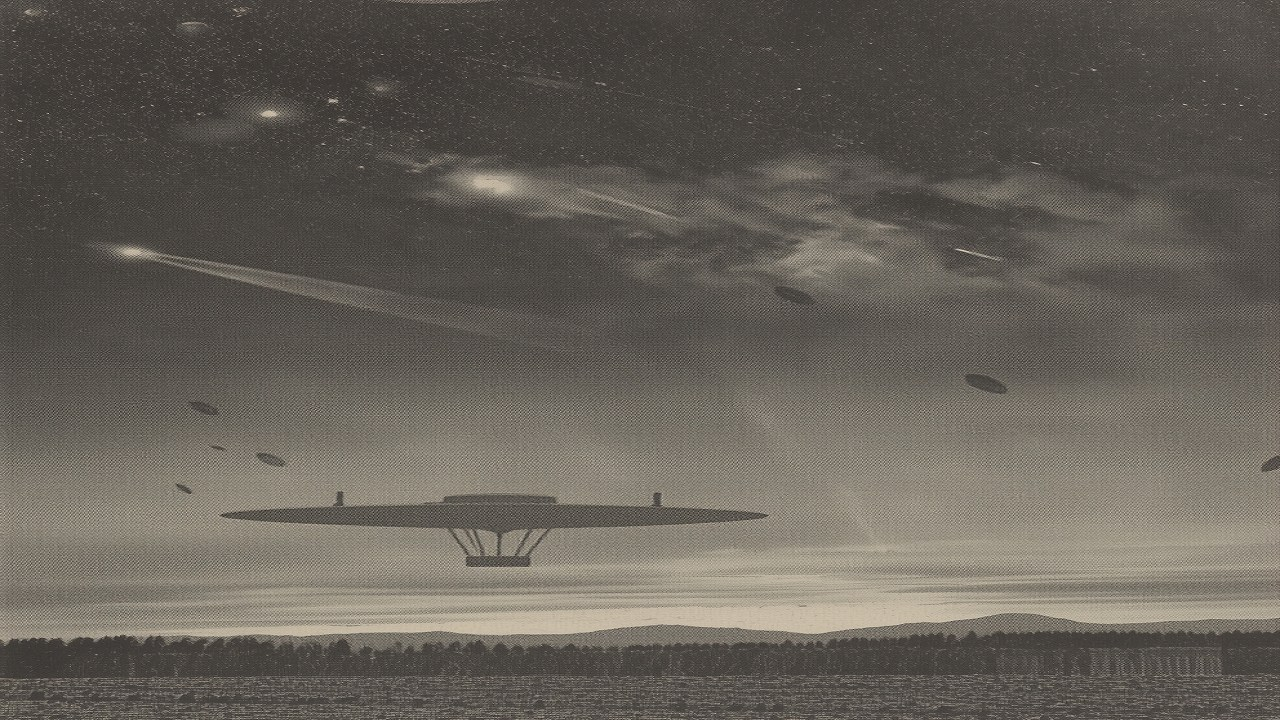
The Mystery Airship wave of late 1896 through the spring of 1897 stands as one of the earliest, broadest, and most publicized series of unusual aerial sightings in American history. Long before the modern concept of flying saucers took shape in the mid-twentieth century, thousands of newspaper articles across the United States described strange lights, elongated craft, and even encounters with alleged occupants piloting what observers believed to be advanced airships. The wave did not unfold as a single localized event, but rather as a chain of reports that moved state by state, progressing from west to east in a pattern that, to many people of the time, suggested a real, physical craft traveling across the country. While the most detailed reports come from California, Texas, the Midwest, and areas of the Great Plains, records of the period show little confirmed activity in Florida. Even so, the national conversation generated by the wave was strong enough that its influence reached into every major city and newspaper office in the country, shaping public ideas about flight and the possibility of advanced technology decades before the Wright Brothers successfully flew at Kitty Hawk.
The wave began in Northern California in November of 1896. Witnesses described a bright light moving over Sacramento, Alameda, and San Francisco at speeds and altitudes that seemed impossible for any known aircraft of the era. Airplanes did not yet exist, and lighter-than-air craft were limited to simple balloons that drifted with the wind rather than navigate with intent. Yet observers claimed the object they saw moved deliberately against the wind, and that it changed direction as if under intelligent control. Reports soon followed from Oregon, Washington, Kansas, Nebraska, Missouri, Texas, and beyond. By early 1897, newspaper editors across the central United States were receiving daily accounts from towns and farms claiming sightings of long, canoe-shaped or cigar-shaped objects carrying brilliant searchlight-like beams.
Some of the most extraordinary reports involved claimed interactions with human-like occupants. A number of witnesses described seeing figures aboard these objects, sometimes lowering ropes or speaking to people on the ground. One well-publicized account came from Texas, where a group of men claimed that the airship landed and that the occupants asked for supplies before ascending once more. Another famous story from Kansas described an inventor traveling the country in a secret, experimental airship, though no prototype matching the descriptions was ever produced. These stories helped shape public imagination, where the idea of a hidden technological genius became as compelling as the possibility of something nonhuman.
The technology described in the reports seemed beyond the ability of contemporary engineering. Descriptions included metal frameworks, internal passenger compartments, engines that produced faint hums or whirs, and beams of light bright enough to illuminate roads and fields. The presence of these searchlight-like beams was especially noted because powerful electric lighting was only beginning to spread through major cities at the time. The appearance of such lighting in the skies led many to believe the crafts represented some major technological breakthrough. Others viewed the stories with skepticism, arguing that press exaggeration, misidentification, or outright hoaxes were to blame. Yet the number of consistent reports across far-flung towns, especially from rural communities without telegraph links to each other, encouraged many to believe the sightings reflected a real phenomenon rather than simple storytelling.
Although the strongest documentation of the wave focuses on California and the central interior states, Florida newspapers did carry reprints and commentary about the sightings as they happened. Florida was connected to national press syndication networks, meaning that even if no Florida sightings were confirmed, residents read about the wave with interest. The concept of advanced flight technology fascinated people living in a state still shaped largely by agriculture, rail travel, and maritime trade. Florida newspapers of the time often reprinted reports from Texas and Nebraska describing the mysterious craft and the curiosity it provoked.
The wave reached the popular imagination nationwide, and Florida was part of that cultural moment even in the absence of direct local observation reports.
The social impact of the Mystery Airship wave was significant. For many Americans, it was the first time that the idea of mechanical flight felt close to reality. The possibility that inventive individuals could create machines capable of sustained, directed flight excited and frightened the public. People debated whether the objects were experimental government machines, private inventions, or something more mysterious. This national conversation took place nearly seven years before the Wright Brothers would fly at Kitty Hawk in December of 1903. In that sense, the wave helped create a mental foundation for the concept of aviation itself. The airship sightings represented a transitional moment where belief in the impossible became belief in the nearly achieved.
The wave also highlighted the role of newspapers in shaping mass perception. Many newspapers competed with one another for attention, and sensational headlines sold papers. Some accounts were undoubtedly embellished, while others likely reflected sincere testimony. The medium of the printed press allowed a phenomenon that could have been dismissed as isolated local stories to instead become a shared national experience. For many communities, the reports turned into nightly sky watches, with groups gathering outdoors in hopes of spotting the mysterious airships. In this way, the wave functioned as both a cultural event and an early form of collective sky observation, long before the modern era of organized UFO groups and amateur skywatch communities.
The Mystery Airship wave continues to hold relevance today. Modern researchers looking back at the reports see parallels with later UFO sightings, especially those involving cigar-shaped craft, nighttime illumination, and claims of purposeful navigation. Some interpretations view the wave as a precursor to the twentieth-century UFO phenomenon, suggesting that whatever the mystery represented did not begin after World War II but had earlier roots.
Others argue that the wave reflected a cultural anticipation of flight that was already building due to technological progress and the spirit of invention prevalent during the Industrial Age. In either case, the wave remains an important historical event bridging folklore, technology, and public imagination.
The Mystery Airship wave of 1896–1897 did not leave behind physical artifacts or definitive proof of advanced flight. Yet it left something more enduring: a moment when a large portion of the population began to look toward the sky not just with wonder, but with the belief that new forms of travel and new kinds of encounters were possible. Whether the sightings were misunderstood technology, exaggerated tales, or something truly unknown, the wave helped set the stage for the way people would interpret the skies in the decades that followed. It introduced the idea that the future might arrive unexpectedly from above, and that the boundary between the known and the unexplained could, at times, thin enough for everyone to see.
The Mystery Airship wave of late 1896 through the spring of 1897 stands as one of the earliest, broadest, and most publicized series of unusual aerial sightings in American history. Long before the modern concept of flying saucers took shape in the mid-twentieth century, thousands of newspaper articles across the United States described strange lights, elongated craft, and even encounters with alleged occupants piloting what observers believed to be advanced airships. The wave did not unfold as a single localized event, but rather as a chain of reports that moved state by state, progressing from west to east in a pattern that, to many people of the time, suggested a real, physical craft traveling across the country. While the most detailed reports come from California, Texas, the Midwest, and areas of the Great Plains, records of the period show little confirmed activity in Florida. Even so, the national conversation generated by the wave was strong enough that its influence reached into every major city and newspaper office in the country, shaping public ideas about flight and the possibility of advanced technology decades before the Wright Brothers successfully flew at Kitty Hawk.
The wave began in Northern California in November of 1896. Witnesses described a bright light moving over Sacramento, Alameda, and San Francisco at speeds and altitudes that seemed impossible for any known aircraft of the era. Airplanes did not yet exist, and lighter-than-air craft were limited to simple balloons that drifted with the wind rather than navigate with intent. Yet observers claimed the object they saw moved deliberately against the wind, and that it changed direction as if under intelligent control. Reports soon followed from Oregon, Washington, Kansas, Nebraska, Missouri, Texas, and beyond. By early 1897, newspaper editors across the central United States were receiving daily accounts from towns and farms claiming sightings of long, canoe-shaped or cigar-shaped objects carrying brilliant searchlight-like beams.
Some of the most extraordinary reports involved claimed interactions with human-like occupants. A number of witnesses described seeing figures aboard these objects, sometimes lowering ropes or speaking to people on the ground. One well-publicized account came from Texas, where a group of men claimed that the airship landed and that the occupants asked for supplies before ascending once more. Another famous story from Kansas described an inventor traveling the country in a secret, experimental airship, though no prototype matching the descriptions was ever produced. These stories helped shape public imagination, where the idea of a hidden technological genius became as compelling as the possibility of something nonhuman.
The technology described in the reports seemed beyond the ability of contemporary engineering. Descriptions included metal frameworks, internal passenger compartments, engines that produced faint hums or whirs, and beams of light bright enough to illuminate roads and fields. The presence of these searchlight-like beams was especially noted because powerful electric lighting was only beginning to spread through major cities at the time. The appearance of such lighting in the skies led many to believe the crafts represented some major technological breakthrough. Others viewed the stories with skepticism, arguing that press exaggeration, misidentification, or outright hoaxes were to blame. Yet the number of consistent reports across far-flung towns, especially from rural communities without telegraph links to each other, encouraged many to believe the sightings reflected a real phenomenon rather than simple storytelling.
Although the strongest documentation of the wave focuses on California and the central interior states, Florida newspapers did carry reprints and commentary about the sightings as they happened. Florida was connected to national press syndication networks, meaning that even if no Florida sightings were confirmed, residents read about the wave with interest. The concept of advanced flight technology fascinated people living in a state still shaped largely by agriculture, rail travel, and maritime trade. Florida newspapers of the time often reprinted reports from Texas and Nebraska describing the mysterious craft and the curiosity it provoked.
The wave reached the popular imagination nationwide, and Florida was part of that cultural moment even in the absence of direct local observation reports.
The social impact of the Mystery Airship wave was significant. For many Americans, it was the first time that the idea of mechanical flight felt close to reality. The possibility that inventive individuals could create machines capable of sustained, directed flight excited and frightened the public. People debated whether the objects were experimental government machines, private inventions, or something more mysterious. This national conversation took place nearly seven years before the Wright Brothers would fly at Kitty Hawk in December of 1903. In that sense, the wave helped create a mental foundation for the concept of aviation itself. The airship sightings represented a transitional moment where belief in the impossible became belief in the nearly achieved.
The wave also highlighted the role of newspapers in shaping mass perception. Many newspapers competed with one another for attention, and sensational headlines sold papers. Some accounts were undoubtedly embellished, while others likely reflected sincere testimony. The medium of the printed press allowed a phenomenon that could have been dismissed as isolated local stories to instead become a shared national experience. For many communities, the reports turned into nightly sky watches, with groups gathering outdoors in hopes of spotting the mysterious airships. In this way, the wave functioned as both a cultural event and an early form of collective sky observation, long before the modern era of organized UFO groups and amateur skywatch communities.
The Mystery Airship wave continues to hold relevance today. Modern researchers looking back at the reports see parallels with later UFO sightings, especially those involving cigar-shaped craft, nighttime illumination, and claims of purposeful navigation. Some interpretations view the wave as a precursor to the twentieth-century UFO phenomenon, suggesting that whatever the mystery represented did not begin after World War II but had earlier roots.
Others argue that the wave reflected a cultural anticipation of flight that was already building due to technological progress and the spirit of invention prevalent during the Industrial Age. In either case, the wave remains an important historical event bridging folklore, technology, and public imagination.
The Mystery Airship wave of 1896–1897 did not leave behind physical artifacts or definitive proof of advanced flight. Yet it left something more enduring: a moment when a large portion of the population began to look toward the sky not just with wonder, but with the belief that new forms of travel and new kinds of encounters were possible. Whether the sightings were misunderstood technology, exaggerated tales, or something truly unknown, the wave helped set the stage for the way people would interpret the skies in the decades that followed. It introduced the idea that the future might arrive unexpectedly from above, and that the boundary between the known and the unexplained could, at times, thin enough for everyone to see.